Auschwitz Tours from Krakow
The #1 Auschwitz tour from Krakow — choose your option and book today.
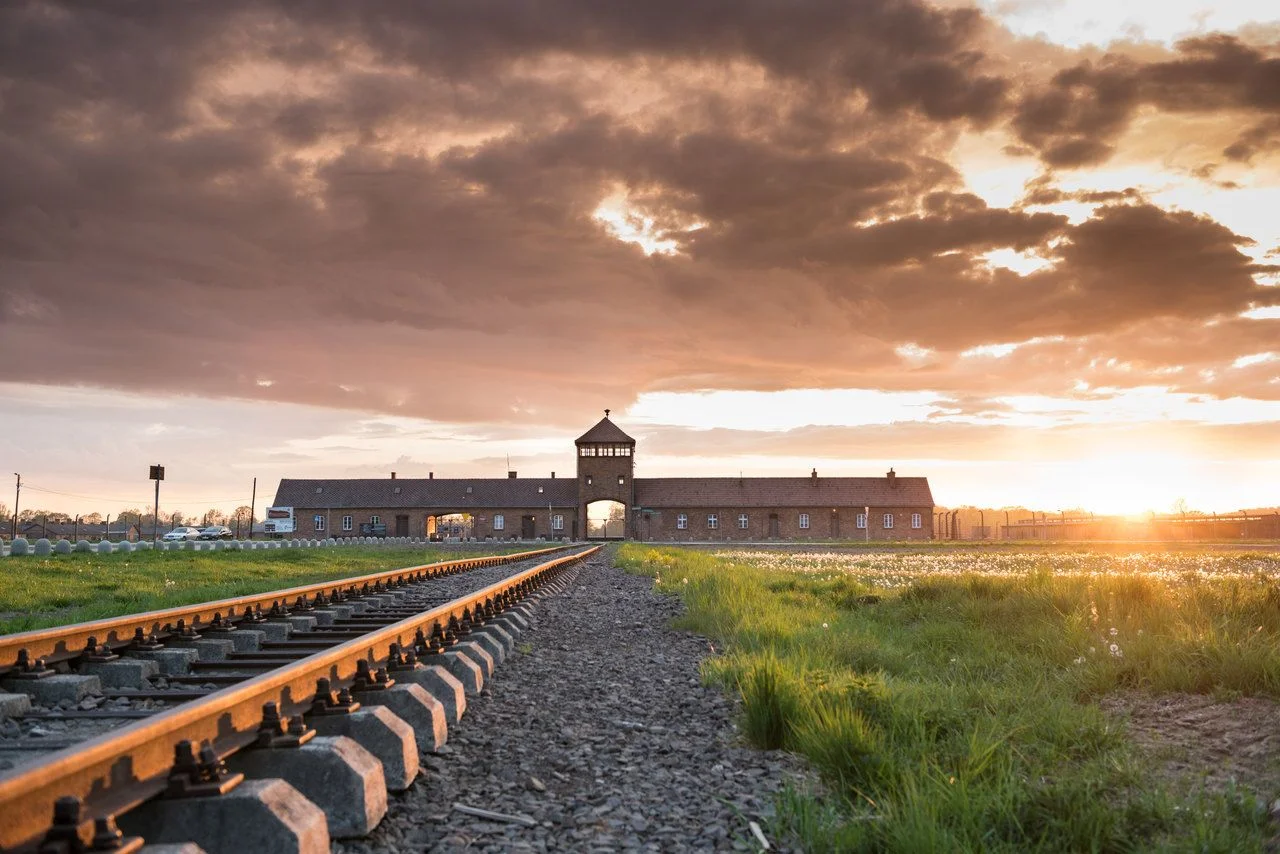
Auschwitz & Birkenau Tour from Krakow
A classic Auschwitz & Birkenau visit with transport from Krakow and entry led by official English-speaking Auschwitz Museum guides.
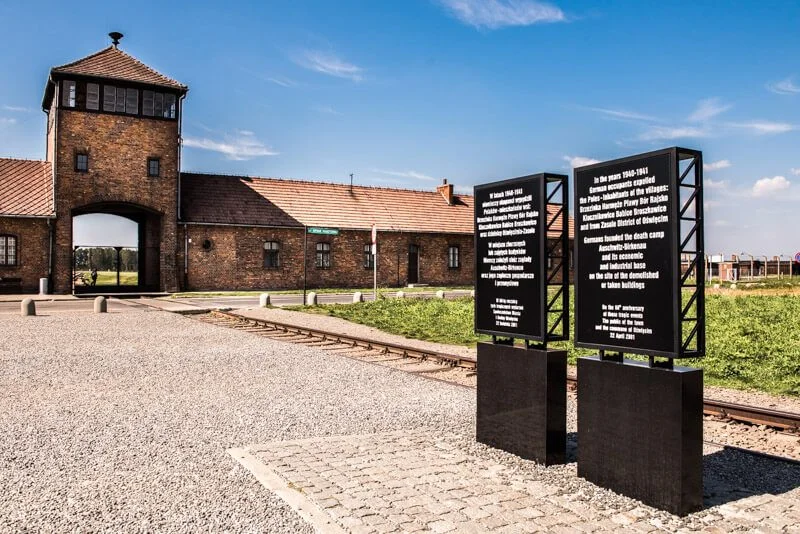
Auschwitz Birkenau & Salt Mine One Day Tour from Krakow
Combine Auschwitz-Birkenau with Wieliczka Salt Mine in one well-planned day trip from Krakow if you want to cover both highlights in a single booking.
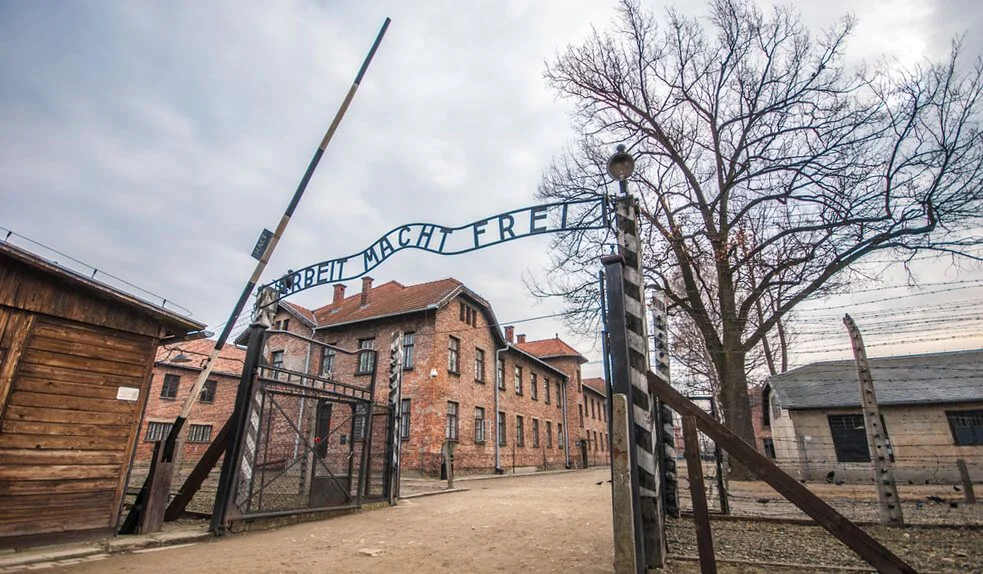
Auschwitz Camp Birkenau Private Tour
Choose this option if you want a more private transfer setup with extra flexibility around the day, while still joining the museum visit with a...
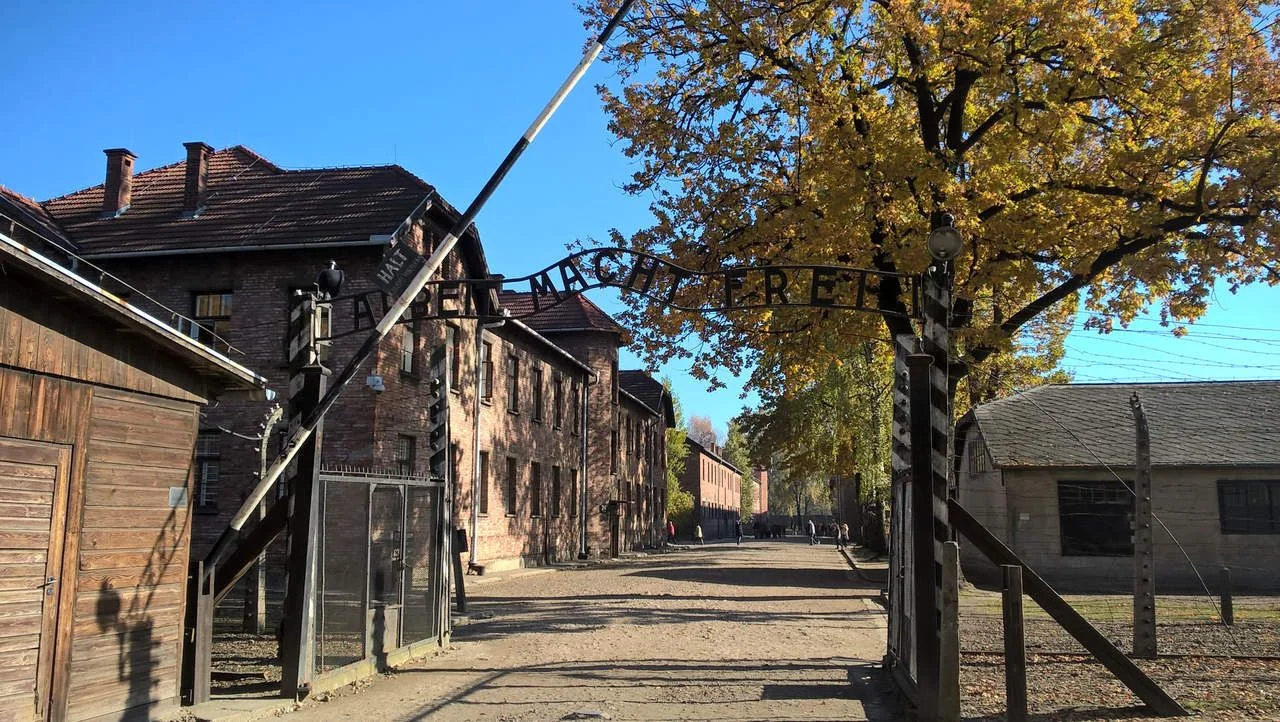
Auschwitz-Birkenau Tour - only transfers & 4h waiting
Book the transfer with 4-hours waiting from Krakow to Auschwitz Birkenau State Museum tailored to your needs.
Auschwitz-Birkenau: Skip-the-Line Ticket and Guided Tour
A focused skip-the-line option for travellers who want a simpler Auschwitz booking route with guided entry and less comparison before checkout.
Choose the Auschwitz tour that fits how you want to visit
Choose a classic Auschwitz & Birkenau tour for the most direct visit, a skip-the-line Auschwitz tour for a smoother booking path, or an Auschwitz package with Wieliczka Salt Mine if you want to see more in one day. Private Auschwitz Tours are best for travellers who want more flexibility, privacy and control over the pace of the visit.
Choose the Auschwitz Tour that fits your schedule and budget
See what each Auschwitz tour includes, review departure details and compare Auschwitz Tours by price, format and pace before you move to checkout.
What travellers say about our tours
Absolutely never write reviews but feel I should this time. Mr Shuttle proved to be an exceptionally good choice, everything from the airport transfers to the tour were done to the highest level.
Used Mr Shuttle for transfers and for the Auschwitz & Birkenau Tour — would highly recommend. Professional and friendly drivers. Tour was a smaller group than others I saw in the camps and the guide was very knowledgeable and great at answering questions.
A big thank you to the team at Mr. Shuttle, an excellent service from start to finish. The guide, Agata, was so knowledgeable about all aspects of the sites and gave amazing insight. Highly recommend for anyone who wishes to visit the camps.
The minibus was clean and new, and the tours ran like clockwork. Reviews of other tours spoke of chaos and disorganisation at the gates at Auschwitz, or time spent waiting around, but this trip could not have been smoother.
Guide was very knowledgeable of the locations and was able to share insight into each of the buildings. The pick up from the hotel and skipping the line was more than worth the money the tour cost.
A profoundly moving and impeccably organised experience. The guide was extremely knowledgeable, respectful, and engaging, providing important historical context while allowing space for reflection.
Very good service, would highly recommend using Mr. Shuttle for this tour. It is a long day and I would advise to go with the food option. The driver was very chatty and had a lot of knowledge on Auschwitz & The Salt Mines.
The tour in Auschwitz-Birkenau was brilliant and we had a brilliant guide called Julia who was so friendly and informative. Once finished we got back on the shuttle and were provided with a lunch which consisted of a chicken pasta salad, a bread roll, water and a chocolate wafer bar.
Absolutely AMAZING service from booking through to collection from the hotel — everything went as I was instructed via email — even the packed lunch provided was outstanding. 10/10.
It was a great tour, including the transport to and from the mine location. The guide assigned to us was amazing. And the mine itself is mesmerizing. I would strongly recommend to all.
Highly recommended, a great guided tour in an incredible mine. Good guide in English. Venture 210 feet below the surface into a hidden world of salt.
A very nice trip to go to and a great sight for the city of Krakow at the Salt Mine. Along with all the amazing things you can see, you learn about the history behind it. The excursion was very well organised.





FAQ
Here you can find answers for frequently asked questions.Choose the Auschwitz & Birkenau tour — it covers all the key sites of the memorial, including the permanent exhibitions in the original barracks, the documentary film screening, and the vast grounds of Birkenau. It is the best fit for first-time visitors who want a complete, guided experience with transport from Krakow and no extra stops.
All our Auschwitz Tours include skip-the-line entry — tickets are reserved in advance so you bypass the general queue. The standard option focuses on Auschwitz-Birkenau with transport and a guided visit. Package tours combine Auschwitz with Wieliczka Salt Mine in one full day, which is a great choice if you want to see more of the region without organising separate trips.
Yes — all tours listed on this page include free door-to-door hotel pickup in Krakow. You will receive an SMS with pickup details the day before. No need to find a meeting point or arrange your own transport.
Yes. Every tour on this page includes transport from Krakow, official Auschwitz Museum entry tickets (reserved in advance), a licensed museum guide, and all listed extras. The price you see is the total price — no hidden fees.
Your guide is an officially certified Auschwitz Museum educator — not a freelance tour leader. They are licensed by the museum to lead visitors through the exhibitions and memorial grounds.
It depends on the tour. The standard Auschwitz & Birkenau tour returns between 17:00 and 18:30 — do not plan anything before 19:00. The Auschwitz & Salt Mine package returns between 19:30 and 20:30, so keep your entire evening free. The standalone Salt Mine tour returns between 13:30 and 15:00, leaving your afternoon open.
The standard Auschwitz & Birkenau tour takes about 7 hours including transport. The Auschwitz & Salt Mine package is a full-day trip (10–11 hours). The standalone Salt Mine tour takes about 5–6 hours. Check the duration shown on each tour card to plan your day.
Yes. You can cancel or change your booking free of charge up to 48 hours before departure. Check the booking conditions at checkout for full details.
The Auschwitz Museum recommends a minimum age of 14 due to the nature of the exhibitions. The visit involves approximately 5 km of walking across both Auschwitz I and Birkenau, so younger children may find it physically demanding. The Salt Mine tour is suitable for all ages.
Wear comfortable walking shoes — the Auschwitz tour covers about 5 km. Bring a valid ID or passport, and dress in layers. In winter, bring a warm coat as much of the visit is outdoors. Large bags and food are not allowed inside the museum. For the Salt Mine, the temperature underground is a constant 17–19°C — bring a light sweater even in summer.
Yes. Official entry tickets to both Auschwitz-Birkenau and Wieliczka Salt Mine are included in the package price and reserved in advance. No additional fees or separate purchases needed.
Yes — a lunchbox is provided between the two attractions on the Auschwitz & Salt Mine package tour. A vegetarian option is available on request. Let us know your preference when booking.
Of course. Both are available as standalone tours on this page. If you prefer just Auschwitz, choose the Auschwitz & Birkenau tour. If you want just the Salt Mine, choose the Wieliczka Salt Mine tour. The package combines both for those who want a full day.
The guided tour underground takes about 2 to 2.5 hours and covers approximately 2.5 km at a depth of up to 135 metres. The route includes stunning salt chambers, chapels and underground lakes.
Each tour card shows the price per person, and during checkout you will see the total price for your group. The price you see is the final price — no extra charges or hidden fees will be added.
If a selected tour is sold out, check another departure date or compare a different option on the page. Availability at Auschwitz can change quickly, so flexible travellers often get the best results by comparing several formats. You can also send us an email and we will notify you as soon as a spot opens up on your preferred date.
Yes. Auschwitz-Birkenau entry rules require participants to carry a valid ID or passport matching the booking details. Bring the same document you used when entering passenger information at checkout.
Be ready 5–10 minutes before the stated pickup time. Museum entry slots are strictly timed, so punctuality helps ensure a smooth start to your visit.
Auschwitz tickets and timed entries are limited, and demand can change quickly. That means prices, remaining seats and available departure times may update as availability changes, especially during peak travel periods.
Auschwitz-Birkenau is one of the most important historical sites in the world. Visiting the memorial is a profoundly moving experience that provides an understanding of the Holocaust that no book or film can replicate. Walking through the barracks, seeing the personal belongings of victims, and standing on the grounds of Birkenau gives context and weight to one of history's darkest chapters. Over 1.5 million people visit each year — it is an act of remembrance and education, not tourism in the traditional sense.
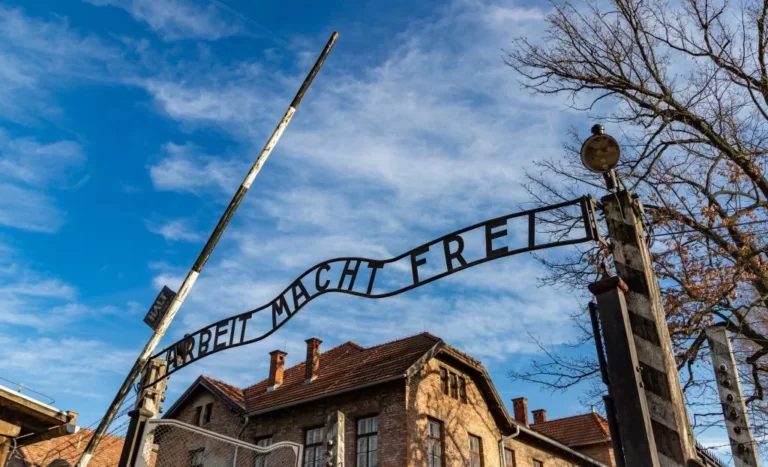
Auschwitz I and Auschwitz II-Birkenau are two separate sites 3.5 km apart, both part of the Auschwitz-Birkenau Memorial. Auschwitz I is the original camp with brick barracks housing exhibitions, the "Arbeit Macht Frei" gate, Block 11, and the first gas chamber. Birkenau (Auschwitz II) is the vast extermination camp with the railway ramp, wooden barracks, and the ruins of four gas chambers and crematoria. All our guided tours visit both sites — a free shuttle runs between them.
Auschwitz is located approximately 60 kilometres (37 miles) west of Krakow in the town of Oświęcim. By car or minibus the drive takes about 1 hour, depending on traffic. Our Auschwitz tours from Krakow include comfortable transport each way, so you can focus on the experience rather than logistics.
Yes — our Auschwitz & Salt Mine package tour combines both attractions in a single full-day trip (10–11 hours). You visit Auschwitz-Birkenau in the morning, enjoy a provided lunch, then continue to Wieliczka Salt Mine in the afternoon. It is the most popular option for travellers with limited time in Krakow who want to see both UNESCO World Heritage Sites.
The Auschwitz-Birkenau Museum is open year-round, seven days a week. Hours vary by season: December 7:30–14:00, January and November 7:30–15:00, February 7:30–16:00, March and October 7:30–17:00, April, May and September 7:30–18:00, June to August 7:30–19:00. The museum is closed on 1 January, 25 December and Easter Sunday. Our tours are scheduled to match the best available entry slots.
During peak season (April–October), entry to Auschwitz I requires a timed slot with a licensed museum educator. In the off-season, it is possible to enter without a guide during limited hours, but the experience is far more meaningful with a knowledgeable educator who provides historical context, personal stories and answers to your questions. All our Auschwitz tours include a licensed guide.
Photography is allowed in most areas of both Auschwitz I and Birkenau, but flash photography is prohibited inside the barracks. Some rooms — particularly those displaying human remains — are marked as no-photography zones. Your guide will advise you. Drones are strictly forbidden. We encourage visitors to photograph respectfully and remember that this is a memorial site.
Auschwitz Tour from Krakow — Quick Facts
Compare Auschwitz Tours from Krakow
Not sure which Auschwitz tour is right for you? Compare all options side by side.
| Tour | Duration | Includes | Best for |
|---|---|---|---|
| Auschwitz & Birkenau Tour | ~7 hours | Hotel pickup, transport, skip-the-line tickets, licensed guide, Auschwitz I + Birkenau | First-time visitors who want the complete memorial experience |
| Auschwitz & Salt Mine Package | ~11 hours | Everything above + Wieliczka Salt Mine tickets, guide and lunch | Travellers with limited time who want both UNESCO sites in one day |
| Private Auschwitz Tour | ~7 hours | Private vehicle, flexible schedule, licensed guide, skip-the-line tickets | Families, couples or groups who want privacy and flexibility |
| Skip-the-Line Auschwitz Tour | ~3.5 hours | Fast-track entry, licensed guide, transport not included | Visitors already in Oświęcim or with own transport |
What to Expect on Your Auschwitz Tour from Krakow
An Auschwitz tour from Krakow is one of the most significant experiences you can have in Poland. The journey takes you 60 kilometres west of Krakow to the town of Oświęcim, where the Auschwitz-Birkenau Memorial and Museum preserves the memory of over 1.1 million victims of the Holocaust. Here is what your day will look like.
Hotel Pickup in Krakow
Your Auschwitz day trip begins with a door-to-door pickup from your hotel in Krakow, typically between 6:30 and 8:30 depending on the tour. An air-conditioned minibus takes you directly to the memorial — no queues at bus stations, no navigating public transport. The drive from Krakow to Auschwitz takes approximately one hour.
Guided Tour of Auschwitz I
Your visit begins at Auschwitz I, the original concentration camp established in 1940. A licensed museum educator leads you through the brick barracks, where permanent exhibitions display personal belongings, photographs and documents of the prisoners. You will see the infamous "Arbeit Macht Frei" gate, the punishment block (Block 11), the execution wall, and the first gas chamber. The guided tour at Auschwitz I lasts approximately 1.5 to 2 hours.
Visit to Auschwitz II-Birkenau
A free shuttle takes you 3.5 km to Auschwitz II-Birkenau, the vast extermination camp built in 1941. Here you walk along the railway tracks that transported prisoners from across Europe, see the remains of the gas chambers and crematoria, and visit the wooden barracks. The sheer scale of Birkenau — covering 170 hectares — makes the reality of what happened here deeply tangible. Your guide provides context throughout, allowing time for personal reflection at the International Monument to the Victims.
Return to Krakow
After the visit, your driver takes you back to Krakow, arriving between 17:00 and 18:30. If you booked the Auschwitz & Salt Mine package, the tour continues to Wieliczka before returning in the evening. Either way, you are dropped off at your accommodation — no need to arrange separate transport.
Auschwitz I and Auschwitz II-Birkenau — Understanding Both Sites
Auschwitz I — The Original Camp
Established in June 1940 in pre-war Polish army barracks, Auschwitz I served as the administrative centre of the entire camp complex. Today, 28 preserved brick buildings house permanent exhibitions with thousands of personal items — suitcases, shoes, eyeglasses — belonging to the victims. Key sites include Block 4 (Extermination), Block 5 (Evidence of Crimes), Block 11 (the "Death Block" with standing cells and the execution courtyard), and Gas Chamber I with its adjacent crematorium. The new permanent exhibition "Auschwitz — Experiences of Camp Prisoners" has recently opened in Blocks 8 and 9.
Auschwitz II-Birkenau — The Extermination Camp
Built 3.5 km from the main camp in 1941, Birkenau was designed as a large-scale extermination facility. At its peak, it held over 90,000 prisoners. The site covers 170 hectares and includes the railway ramp where selections took place, the ruins of four gas chambers and crematoria (destroyed by the SS in 1945), reconstructed wooden and brick barracks, and the International Monument to the Victims of Fascism. Walking through Birkenau gives visitors an understanding of the industrial scale of the genocide that words alone cannot convey.
Practical Information for Your Auschwitz Visit
Opening Hours & Best Time to Visit
The Auschwitz-Birkenau Museum is open year-round. Summer hours (June–August) are 7:30–19:00; winter hours are shorter. The best time to visit Auschwitz is early morning when crowds are smaller and the atmosphere is more contemplative. Our morning departures from Krakow are timed to arrive at the optimal entry window.
Auschwitz Tickets & Entry Rules
Since March 2026, all entry cards are available exclusively online at visit.auschwitz.org. Timed slots sell out weeks in advance during peak season. When you book an Auschwitz tour with us, official museum tickets are included in the price and secured for you — no need to navigate the booking system or risk sold-out dates.
Dress Code & What to Bring
Wear comfortable walking shoes — the visit covers approximately 5 km across both sites. Dress respectfully and in layers, as much of the tour is outdoors. Large bags and food are not allowed inside the museum. Bring a valid ID or passport, a water bottle, and sun protection in summer. In winter, a warm coat and gloves are essential as Birkenau is fully exposed.
Children & Minimum Age
The Auschwitz Museum recommends a minimum visitor age of 14 due to the graphic nature of the exhibitions. Children under 14 may enter only when accompanied by a parent or guardian. The Salt Mine portion of our package tours is suitable for all ages and is a lighter, more family-friendly experience.
How to Get to Auschwitz from Krakow
Auschwitz is located 60 km west of Krakow, in the town of Oświęcim. Options include organised tours with hotel pickup (the most convenient), public buses from Krakow MDA bus station (roughly 1.5 hours), or driving yourself (limited parking at the museum). An organised Auschwitz tour from Krakow eliminates the logistics and guarantees your timed entry slot.
How Long Does an Auschwitz Tour Take?
A standard Auschwitz & Birkenau guided tour from Krakow takes approximately 7 hours door-to-door, including 3.5 hours inside the memorial grounds. The Auschwitz & Wieliczka Salt Mine package is a full-day trip of 10–11 hours. Plan your evening accordingly — we recommend not scheduling anything before 19:00 for standard tours or 21:00 for packages.
Why Book Your Auschwitz Tour with MrShuttle
We have been organising Auschwitz tours from Krakow since 2015. Over one million travellers have trusted us with their visit to this important memorial. Here is what sets us apart.
Skip-the-Line Entry Guaranteed
Official Auschwitz Museum tickets are reserved in advance and included in every tour. No separate purchases, no risk of sold-out dates.
Small Groups, Licensed Guides
Our Auschwitz tours operate in small groups with certified museum educators — not freelance tour leaders. Smaller groups mean a more personal and respectful experience.
Door-to-Door Hotel Pickup
Every Auschwitz tour includes free pickup and drop-off at your hotel in Krakow. No meeting points, no buses, no stress. An SMS with your exact pickup time arrives the day before.
Transparent Pricing, No Hidden Fees
The price you see is the price you pay. Transport, museum tickets, guide, and all listed inclusions are covered. Free cancellation up to 48 hours before departure.
2,800+ Verified 5-Star Reviews
Rated excellent across TripAdvisor, Google, Trustpilot and GetYourGuide. Our travellers consistently praise the organisation, the guides, and the respectful pace of the visit.
Flexible Booking & Combination Tours
Visit Auschwitz on its own or combine it with Wieliczka Salt Mine in one day. Private tours are available for those who want a fully customised schedule and pace.
The History of Auschwitz-Birkenau
The Camp: 1940–1945
Auschwitz was established in June 1940 by the Nazi German regime in the outskirts of Oświęcim, a Polish town annexed into the Third Reich. The first transport of 728 Polish political prisoners arrived on 14 June 1940. Originally intended as a concentration camp for Polish resistance fighters and intellectuals, it quickly expanded under the command of SS-Obersturmbannführer Rudolf Höss into the largest and most lethal camp in the Nazi system.
In October 1941, construction began on Auschwitz II-Birkenau, 3.5 km from the main camp. Birkenau was designed from the start as an extermination facility, equipped with four large gas chambers and crematoria by 1943. At the height of the Hungarian deportations in the summer of 1944, up to 6,000 people were murdered in Birkenau each day. A third camp, Auschwitz III-Monowitz, served as a forced labour camp for the IG Farben chemical plant, and over 40 sub-camps were scattered across the region.
Over 1.1 million people were murdered at Auschwitz-Birkenau between 1940 and 1945. The vast majority — approximately one million — were Jewish men, women and children deported from across Europe. The victims also included 70,000–75,000 ethnic Poles, 21,000 Roma and Sinti, 15,000 Soviet prisoners of war, and thousands of others. Transports arrived from Hungary, France, the Netherlands, Greece, Belgium, Czechoslovakia, Yugoslavia, Germany, Austria, Italy and Norway. Most were selected for immediate death upon arrival and never registered in the camp system.
Liberation and the Aftermath
As the Soviet Red Army advanced westward in January 1945, the SS began evacuating Auschwitz. Approximately 56,000 prisoners were forced on death marches towards camps deeper in Germany — thousands perished from exhaustion, cold and execution along the way. On 27 January 1945, soldiers of the Soviet 322nd Infantry Division liberated the camp, finding around 7,000 survivors, most of them gravely ill. January 27th is now commemorated worldwide as International Holocaust Remembrance Day.
The Auschwitz-Birkenau State Museum
On 2 July 1947, the Polish Parliament established the Auschwitz-Birkenau State Museum on the grounds of the former camp — one of the first Holocaust memorials in the world. The museum's mission is to preserve the site, its original structures and the personal belongings of the victims, and to educate visitors about the crimes committed here. In 1979, Auschwitz-Birkenau was inscribed on the UNESCO World Heritage List as a testimony "to the depth to which humanity can sink."
The museum has grown steadily since its founding. In the early decades, most visitors came from Poland and Eastern Europe. As awareness of the Holocaust spread globally, international visitor numbers rose dramatically. The museum first exceeded one million annual visitors in 2007, and by 2019 it reached a record 2.32 million visitors from over 100 countries. Today, the site welcomes approximately 1.5 to 1.7 million visitors each year, making it one of the most visited memorial sites in the world.
Organised Auschwitz Tours — From the Early Days to Today
Guided tours of the Auschwitz memorial have been offered since the museum's earliest years in the late 1940s. Initially, visits were led by camp survivors and museum staff, primarily for school groups and domestic visitors. As international interest grew through the 1970s and 1980s — aided by the UNESCO inscription and broader Holocaust education — the museum professionalised its guide programme and began licensing certified educators who undergo rigorous historical training.
The modern Auschwitz tour industry from Krakow developed in the early 2000s alongside the growth of budget air travel to Poland. Tour operators began offering organised day trips with transport, entry tickets and licensed guides, making the memorial accessible to travellers who previously struggled with logistics and language barriers. Today, during peak season (April–October), virtually all visits to Auschwitz I require a timed entry slot with a licensed museum educator, and advance booking is essential.
MrShuttle has been organising Auschwitz tours from Krakow since 2015, providing hotel pickup, skip-the-line entry and certified guides to visitors from around the world. Over one million travellers have taken part in our tours. A guided Auschwitz tour from Krakow provides the historical context, personal stories and respectful accompaniment that this profoundly important memorial deserves.
Auschwitz Museum Opening Hours
The Auschwitz-Birkenau State Museum is open year-round. Hours vary by season. Visitors may stay 90 minutes after the last entry time. The museum is closed on 1 January, 25 December and Easter Sunday.
| Month | Opening hours | Last entry |
|---|---|---|
| December | 7:30 – 14:00 | 12:30 |
| January, November | 7:30 – 15:00 | 13:30 |
| February | 7:30 – 16:00 | 14:30 |
| March, October | 7:30 – 17:00 | 15:30 |
| April, May, September | 7:30 – 18:00 | 16:30 |
| June – August | 7:30 – 19:00 | 17:30 |
How to Get from Krakow to Auschwitz
| Transport | Travel time | Details |
|---|---|---|
| Organised tour (recommended) | ~1 hour | Hotel pickup, air-conditioned minibus, skip-the-line tickets and licensed guide included. No logistics to worry about. |
| Public bus | 1.5–2 hours | Buses depart from Krakow MDA bus station to Oświęcim. Drops you near Auschwitz I. You must book museum tickets separately. |
| Train | 1.5–2 hours | From Kraków Główny to Oświęcim station (2 km from museum). Requires a connecting local bus or taxi. Tickets separate. |
| Car / rental | ~1 hour | Take the A4 motorway west, then follow signs to Oświęcim. Paid parking available at the museum. Museum tickets must be booked online. |
Auschwitz Museum Rules & Visitor Guidelines
Luggage Restrictions
Bags must not exceed 30 × 20 × 10 cm. Larger bags, backpacks and suitcases are not allowed inside. On our Auschwitz tours, you can leave larger items safely on the locked minibus with the driver.
Photography Rules
Photography is permitted in most areas of Auschwitz I and Birkenau. Flash is prohibited inside barracks. Some rooms displaying human remains are marked as no-photography zones. Drones are strictly forbidden. Your guide will advise you.
Dress Code & Behaviour
Dress respectfully — this is a memorial site, not a tourist attraction. Eating, smoking, and loud behaviour are not permitted. Visitors should behave with solemnity and respect at all times. Comfortable walking shoes are essential.
ID / Passport Required
Bring a valid photo ID or passport. The museum may check identification at the entrance. Use the same document you provided during booking. This applies to all visitors aged 14 and over.
Facilities at the Museum
Toilets, a bookshop and a cafeteria are available at Auschwitz I. Birkenau has basic facilities only. There is a luggage storage room at the entrance to Auschwitz I (fee applies). Wheelchair access is available — notify us in advance if needed.
Arrive Early
Arrive at least 15–30 minutes before your timed entry slot for security screening. Late arrivals may be denied entry. On our Auschwitz tours, we manage the timing so you never have to worry about this.
What You Will See on Your Auschwitz Tour
Key Sites at Auschwitz I
- "Arbeit Macht Frei" gate — the infamous entrance to the camp
- Block 4 (Extermination) — exhibits on the gas chambers and mass murder
- Block 5 (Evidence of Crimes) — rooms filled with victims' belongings: suitcases, shoes, eyeglasses, prosthetics
- Block 11 (the "Death Block") — punishment cells, standing cells, starvation chambers
- The execution wall (Wall of Death) between Block 10 and Block 11
- Gas Chamber and Crematorium I — the only original gas chamber still standing
- Blocks 8 & 9 — the new exhibition "Auschwitz — Experiences of Camp Prisoners"
Key Sites at Auschwitz II-Birkenau
- The main gate and watchtower — the iconic "Gate of Death"
- The railway ramp — where selection between life and death took place
- Wooden and brick barracks — prisoner living quarters
- Ruins of Gas Chambers II, III, IV and V — destroyed by the SS in January 1945
- The "Sauna" — the building where new prisoners were processed and stripped of identity
- The International Monument to the Victims of Fascism
- The vast 170-hectare grounds — a walk that conveys the industrial scale of the genocide
Read More About Auschwitz
Our travel guides cover everything from planning tips to historical context — so you arrive prepared and informed.