




How are new generations involved in understanding and memorising the significance of Auschwitz?


Understanding and preserving the significance of Auschwitz
In the landscape of history, the gravity of World War II and the atrocities of the Holocaust remain pivotal. The challenge now extends beyond preserving mere facts-it’s about fostering a deep understanding among newer generations about the significance of Auschwitz, the largest German Nazi concentration and extermination camp.
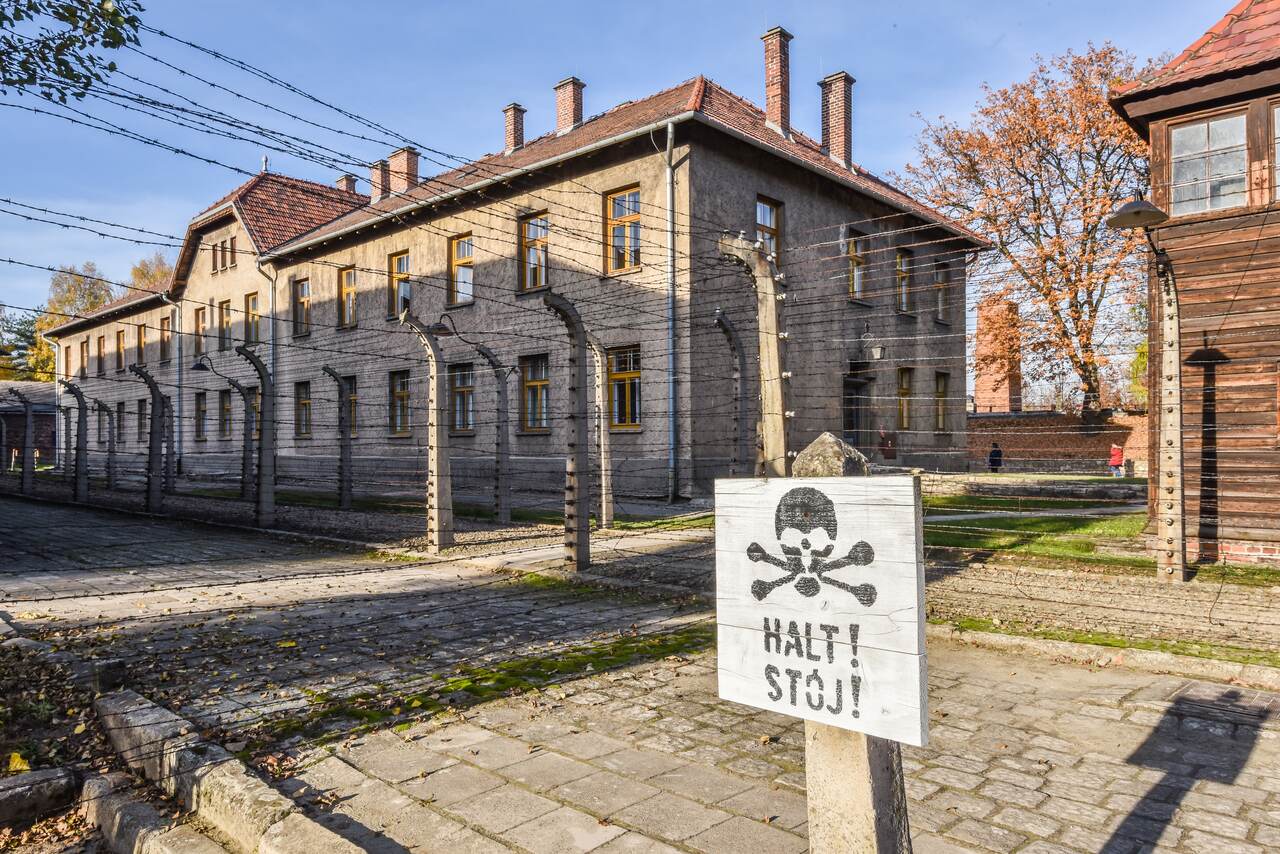
Auschwitz: A Testament to Unimaginable Suffering
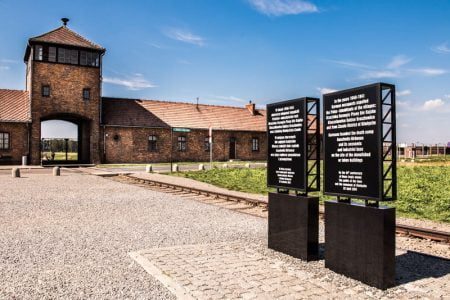
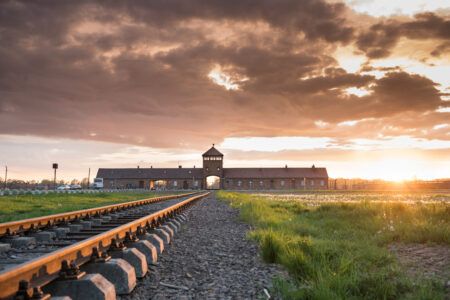
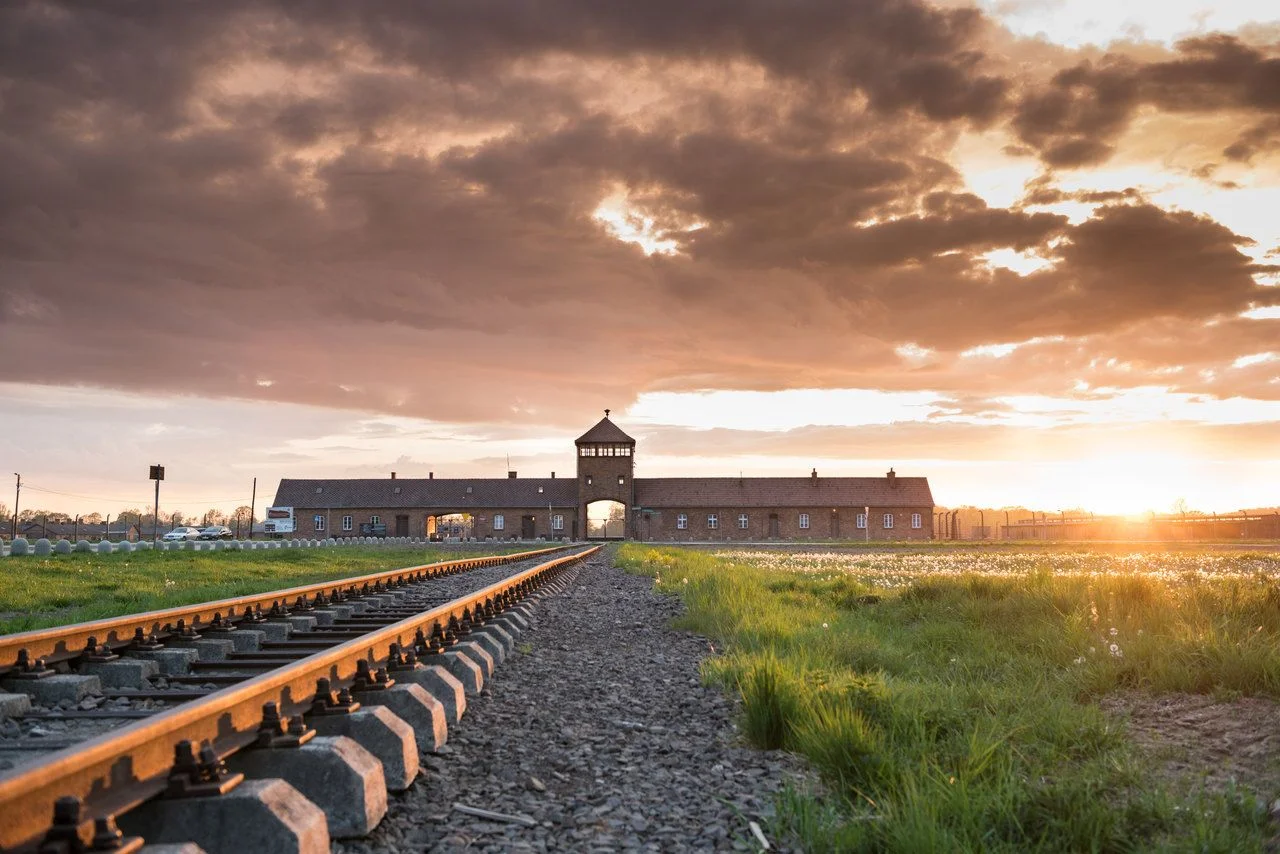
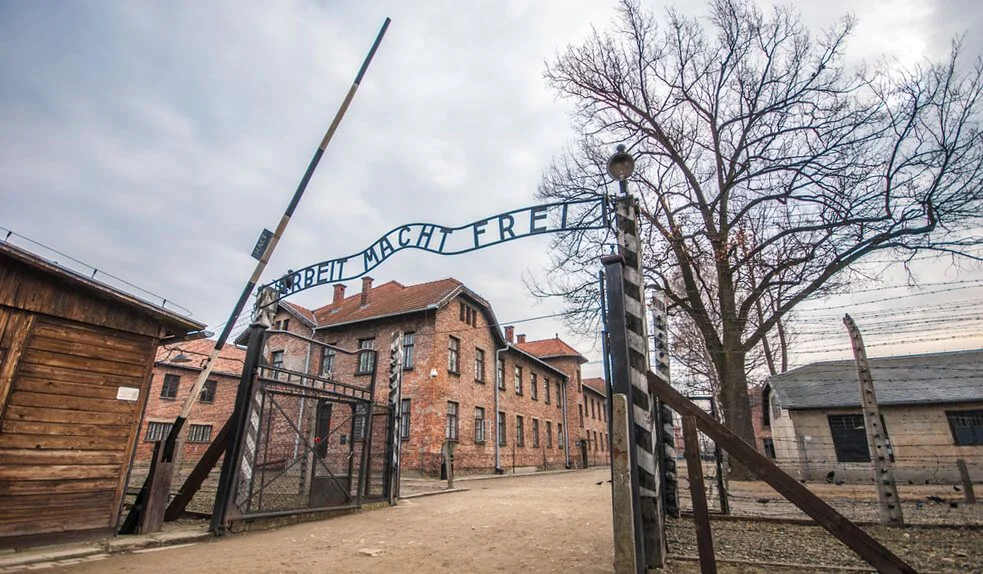
Auschwitz, comprising Auschwitz I and Auschwitz II-Birkenau, stands as a haunting testament to the darkest chapter of human history. Its transformation into the Auschwitz-Birkenau State Museum serves as a poignant reminder of the horrors inflicted during the Nazi genocide.
Holocaust education remains instrumental in ensuring the legacy of survivors and understanding the magnitude of the tragedy. Educational institutions globally bear the responsibility of imparting holocaust knowledge, ensuring that future generations grasp the enormity of the past.
Auschwitz, situated in Nazi-occupied Poland, was a nexus of unfathomable suffering. It embodied the brutal mechanics of genocide, housing gas chambers and serving as one of the deadliest death camps in history. These basic facts must be conveyed to younger generations, grounding them in the stark reality of the Holocaust.
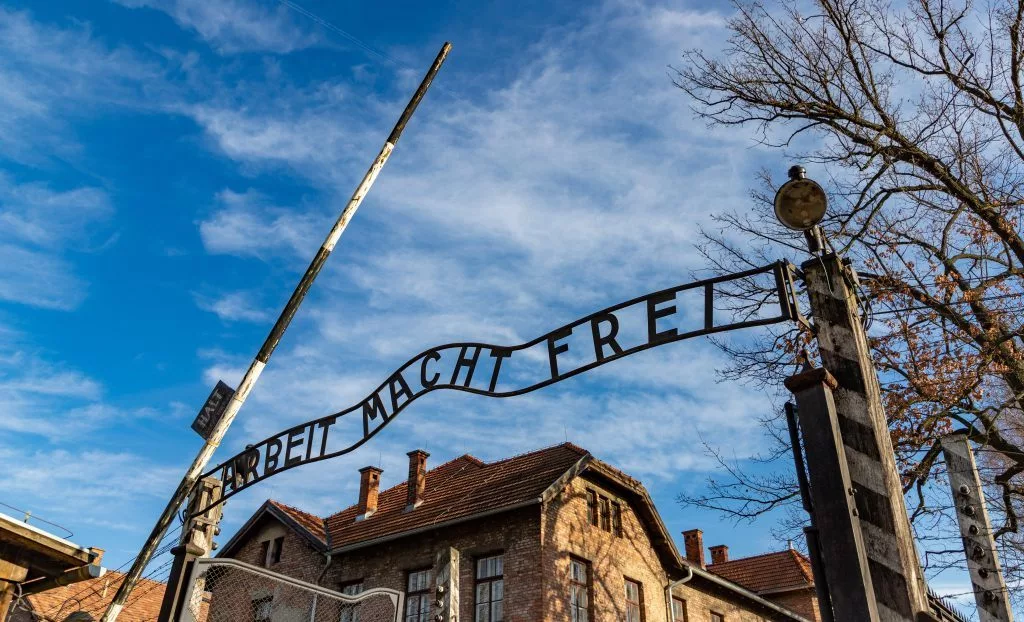
Auschwitz Memorial Site: the meaning of Holocaust education
The Auschwitz Memorial, meticulously preserved, contains remnants that bear witness to the systematic annihilation of millions. The Auschwitz Museum, within this site, stands not merely as a collection of artefacts but as a conduit for remembrance and education. It is here that visitors confront the grim reality of the past, including the haunting remnants of gas chambers and the sheer scale of human suffering.
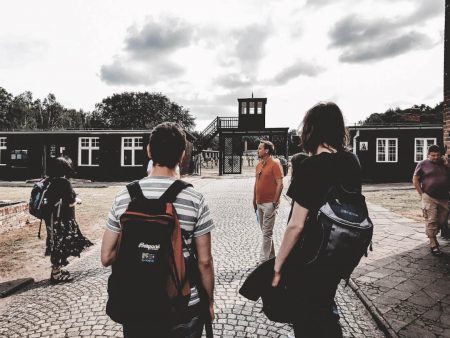
To ensure a comprehensive understanding, a task force comprised of historians, educators, and survivors collaborates to refine information provided on the Holocaust happened continually. Their collective efforts aim to deepen the narrative and elucidate the complex socio-political dynamics that precipitated such atrocities. It is essential to remember that Holocaust survivors or their families are often visiting this place.
Holocaust survivors, often the last living witnesses to the horrors, play a pivotal role in engaging younger generations. Their testimonies serve as poignant reminders, transcending historical texts and documentaries and vividly bringing the harsh realities to life.
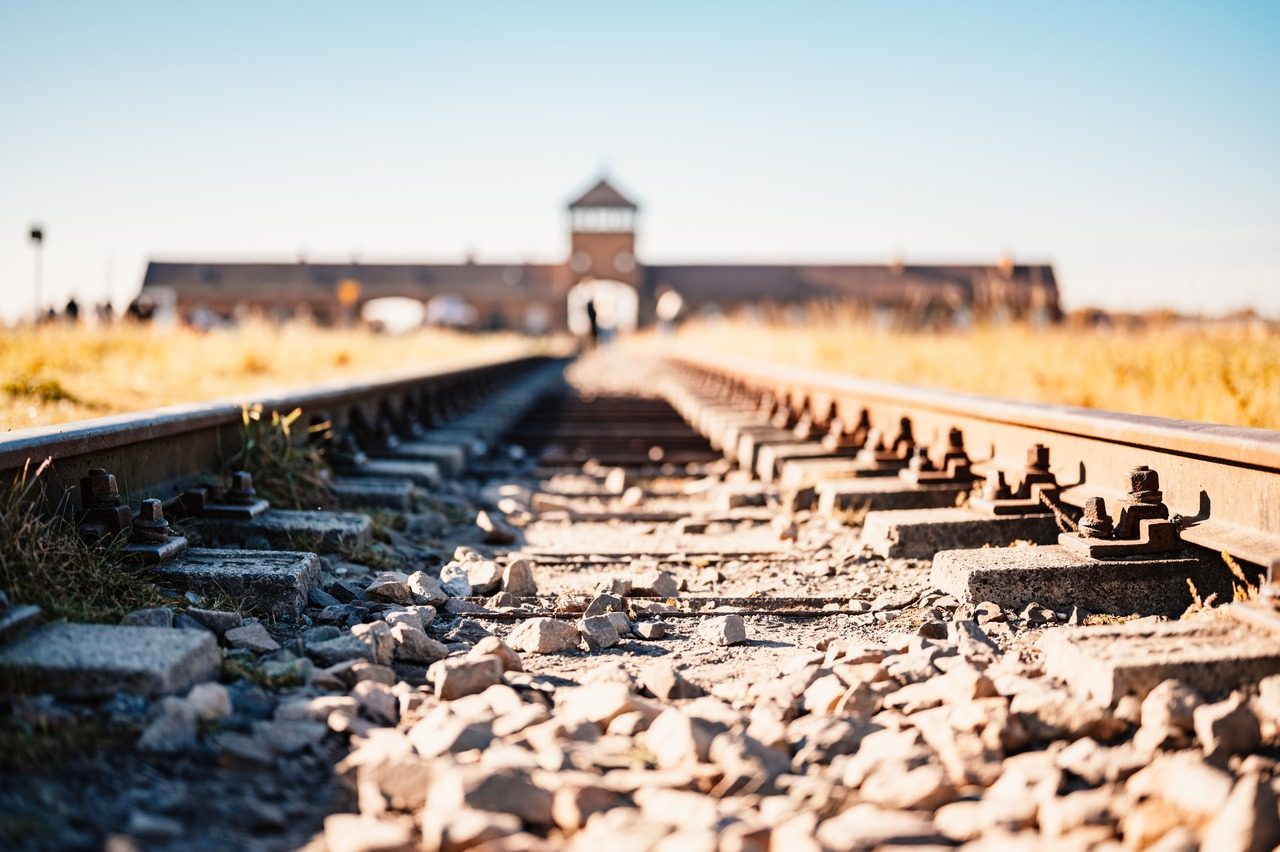
Preserving Memories: support from Claims Organisations
The Jewish Material Claims Against Germany provides essential support to Holocaust survivors and ensures that their stories remain a memorable part of the educational discourse. Their efforts, alongside various organisations committed to preserving the memory of Auschwitz, are indispensable in perpetuating the significance of this historical site.
In conclusion, the imperative to impart the significance of Auschwitz concentration camp to newer generations is not merely a historical obligation but a moral one. The legacy of the Holocaust demands perpetual remembrance, comprehension, and empathy. Through holistic holocaust education, we can strive to nurture a world where the words “Auschwitz” and “Holocaust” serve as a lighthouse of remembrance, enlightenment, and a sincere vow—never again.
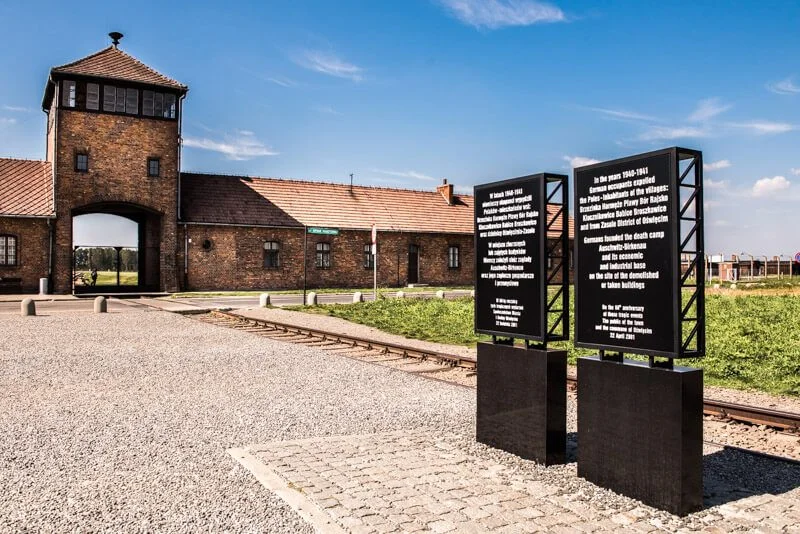

 Get a
Get a
Get a
Get a
Get a
Get a
Planning your visit? Compare Auschwitz tours from Krakow — skip-the-line entry, hotel pickup, and licensed museum guides included.