





Travel Trends in 2026: Emotions instead of destination


According to Forbes, travelers prefer to choose nostalgia and vibe instead of an iconic place itself. They don’t crave overcrowded destinations anymore. Instead they prefer local, hands-on experience. It means that travel in 2026 is no longer about where you go, but about how a place makes you feel.
This shift marks one of the most important changes in modern tourism. Travelers are tired of being spectators. They want to participate, connect, and belong. They want moments that feel familiar, meaningful, and human. Even as technology evolves faster than ever, people are quietly returning to their emotional roots.

From bucket lists to emotional lists
For years, travel was driven by bucket lists. Paris. Rome. New York. Bali. The same places, repeated endlessly across social media. Although these destinations remain beautiful, they have lost their emotional depth for many travelers. Over-tourism has transformed wonder into fatigue.
In 2026, travelers are replacing bucket lists with emotional lists. They seek places that remind them of childhood memories, family stories, or slower times. Nostalgia has become a powerful travel motivator. It offers comfort in an increasingly unstable world.
People want to feel something specific. Safety. Warmth. Belonging. Calm. Excitement without chaos. Travel is now chosen to satisfy emotions, not bragging rights.
Why Overcrowded Destinations Are Losing Their Appeal
- Crowded destinations no longer feel aspirational.
- Long lines, packed streets, and constant noise break the illusion of escape.
- Travelers feel rushed, disconnected, and overwhelmed.
- Instead of relaxation, they experience stress.
Many travelers now associate mass tourism with artificial experiences. Restaurants adjust menus for tourists. Local traditions turn into performances. Authenticity fades quickly.
As a result, people actively avoid places labeled as “must-see.” They prefer quieter cities, smaller neighborhoods, and less advertised regions. These places allow space for observation, conversation, and presence. Let’s observe if this phenomenon actually lasts.
The Rise of Local, Hands-On Experiences
Travelers in 2026 want to participate in daily life. They want to eat where locals eat. Walk the streets locals walk. Hear real stories, not scripted tours.
Hands-on experiences offer emotional depth. Riding through neighborhoods with a local driver. Learning small cultural habits. These moments create connection.
The goal is no longer consumption, but immersion. Travelers want to feel like temporary locals, not outsiders passing through.

Human Connection in the Age of AI
Technology is everywhere. AI plans routes, books hotels, and recommends attractions. Despite convenience, it lacks warmth. It cannot replace our human intuition or emotional intelligence. And as sad as it sounds, it will not replace you a friend. As AI becomes more present, human contact becomes more valuable. Because it’s like a rare diamond. Travelers appreciate genuine conversations, spontaneous recommendations, and personal care.
In 2026, luxury is no longer defined by five-star hotels. It is defined by human attention. A smile. Or a calm presence. Someone who understands your needs without an algorithm.
Poland as an Emotional Destination
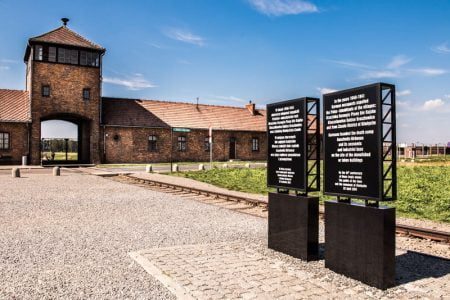
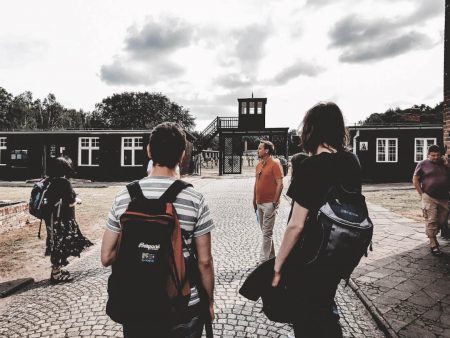
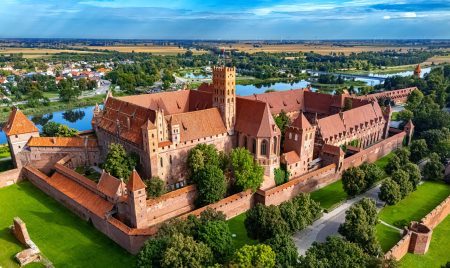
Poland fits naturally into this new travel mindset. It offers history, depth, and authenticity without overwhelming crowds. Cities like Krakow, Gdansk, and Wroclaw feel lived-in, not staged. Especially now that Krakow is the most student-friendly city in Poland. What do students do? Live their life! Tourists can join in on the fun because almost everyone here speaks English. Polish culture values conversation, hospitality, and shared moments. Travelers often describe Poland as surprisingly familiar. Rather than ticking boxes, visitors discover emotions and a sense of being grounded in something real.
Transportation as Part of the Experience
In emotional travel, transportation is no longer just logistics. It is part of the journey itself. How you move through a place shapes your first impressions. And it shapes your attitude. What would you do if you had to stand 45′ in an overcrowded and overheated bus at 30 degrees? All sweaty and thirsty, but even if you have your water, how would you drink it?
On the other side, such experience might be remembered for a long time:). I was there too. I know how it feels like. Not something I’m willing to do again, ‘though…

Our MrShuttle local drivers play a key role. They introduce Polishness, safety, and warmth. Questions are answered naturally. They notice when you are tired or curious. And they don’t pretend to be someone else. Being genuine plays a key role in interpersonal relationships. That’s what we do.
The Future of Travel Is Intimate
Travel is becoming smaller, quieter, and more intentional. Experiences personalize. Stories matter more than statistics. People want trips they can feel, not just remember. They want stories that belong to them alone. This shift benefits destinations that protect authenticity and value human connection.
What This Means for Travelers
- Travelers should ask emotional questions before booking. For example: How do I want to feel there? What pace suits me? Who will I meet?
- Choosing based on emotion leads to satisfaction. It reduces disappointment and travel fatigue.
- Travel becomes a form of self-care, not performance.
What This Means for Travel Services
- Travel brands must adapt.
- Efficiency alone is not enough.
- Emotional intelligence becomes essential.
- Services should focus on comfort, communication, and local presence.
- Travelers notice tone and attitude.
- Brands that prioritize people over processes will thrive.
Conclusion: Returning to Ourselves Through Travel
According to Forbes, travel in 2026 is guided by emotion, not destination. This trend reflects something deeper. Humans seek connection, familiarity, and meaning.
Despite technological progress, we return to our truest needs. Presence. Warmth. Understanding.
Travel becomes a way to reconnect with ourselves through others.
FAQ – Frequently Asked Questions
Why are travelers choosing emotion over destination?
Because emotional satisfaction lasts longer than visual impressions. Feelings create stronger memories than photos.
Is this trend connected to over-tourism?
Yes. Overcrowded destinations reduce authenticity and emotional comfort for travelers.
How does local transportation influence travel experience?
Local transportation offers context, safety, and human interaction from the first moment.
Why is nostalgia important in modern travel?
Nostalgia provides comfort and familiarity in a rapidly changing world.
Is luxury travel disappearing?
No. Luxury is redefining itself around time, comfort, and personal attention.
How can travelers experience Poland emotionally?
By slowing down, engaging with locals, and choosing authentic services.
Will AI replace human roles in travel?
AI supports logistics, but cannot replace emotional intelligence or human connection.
What should travelers prioritize when planning trips?
They should prioritize atmosphere and the people they interact with.