


Stutthof Concentration Camp — Visiting Guide 2026


Stutthof Concentration Camp is one of the most important historical sites in northern Poland. Today it stands as a powerful reminder of the atrocities committed during the Second World War. Many travellers visiting the Baltic coast come here to learn and reflect. The memorial allows visitors to understand the suffering experienced under Nazi occupation. If you are staying in Gdansk, visiting Stutthof can be a meaningful day trip. It offers historical insight that many travellers find deeply moving. This practical guide explains how to visit Stutthof Concentration Camp in 2026. It covers location, transport, opening times, and useful visitor tips.
Where Is Stutthof Concentration Camp?
Stutthof Concentration Camp is located in the small village of Sztutowo in northern Poland. The site lies roughly 36 kilometres east of Gdansk, close to the Baltic Sea coast. The camp was established by Nazi Germany in 1939. It became the first concentration camp created outside Germany’s pre‑war borders. Over time, the site expanded into a large complex with dozens of sub‑camps. Prisoners were transported here from many parts of occupied Europe. Today the area operates as the Stutthof Museum and memorial. Tickets are included while booking a tour with us. Visitors can walk through preserved buildings, exhibitions, and remembrance sites.
Historical Background
Stutthof initially held Polish intellectuals, officials, and resistance members. Later the camp expanded to imprison people from across Europe. More than 110,000 prisoners passed through the camp during the war. They came from Poland, the Soviet Union, Hungary, and several other countries. Jewish prisoners were deported to Stutthof as the Holocaust intensified. Many thousands died due to starvation, disease, forced labour, and executions. In 1944 the Nazis constructed a gas chamber and crematorium at the camp. These facilities increased the scale of killing at the site. Soviet forces liberated Stutthof in May 1945. Today the museum preserves the memory of those who suffered and died here.
What You Can See at the Stutthof Museum
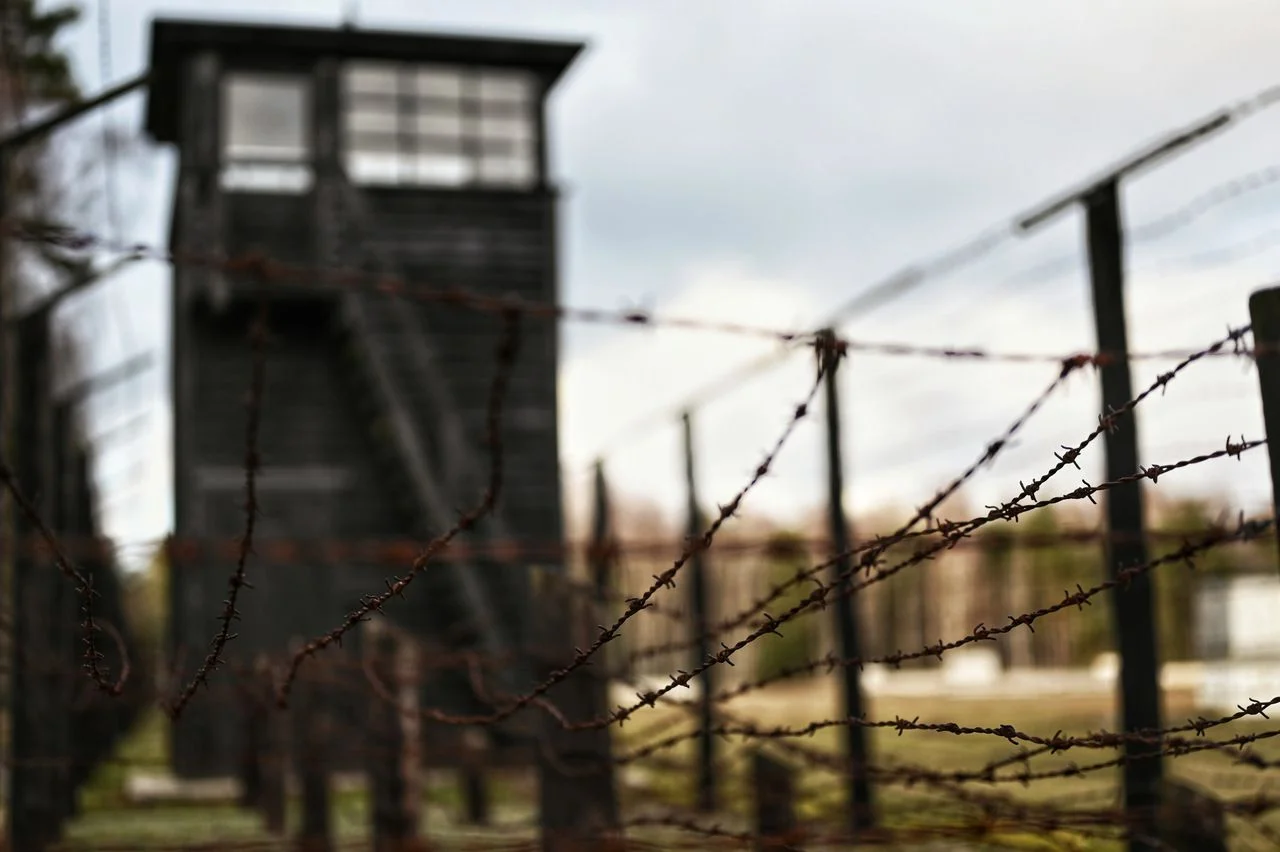
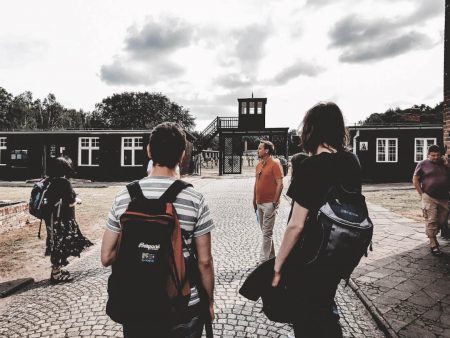
Visitors can explore several original structures preserved from the wartime camp. These buildings provide insight into daily life for prisoners. Most visits begin at the main gate and watchtower.
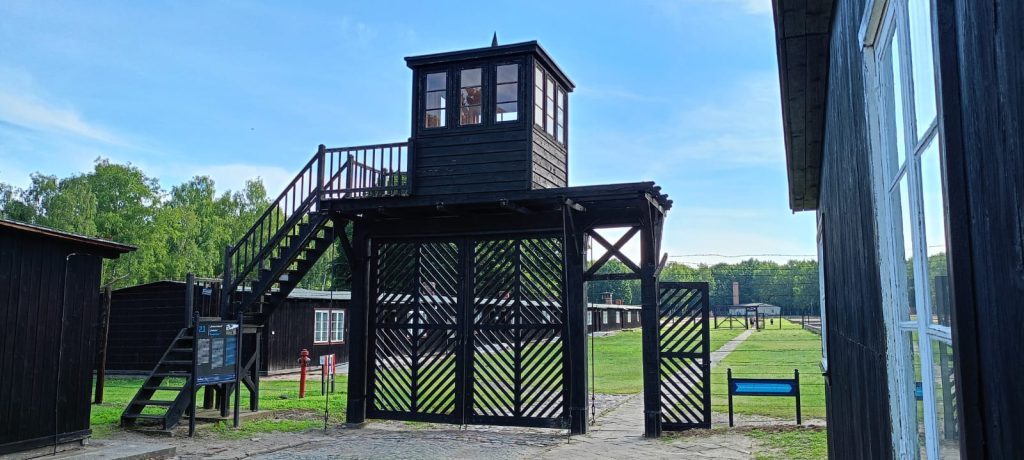
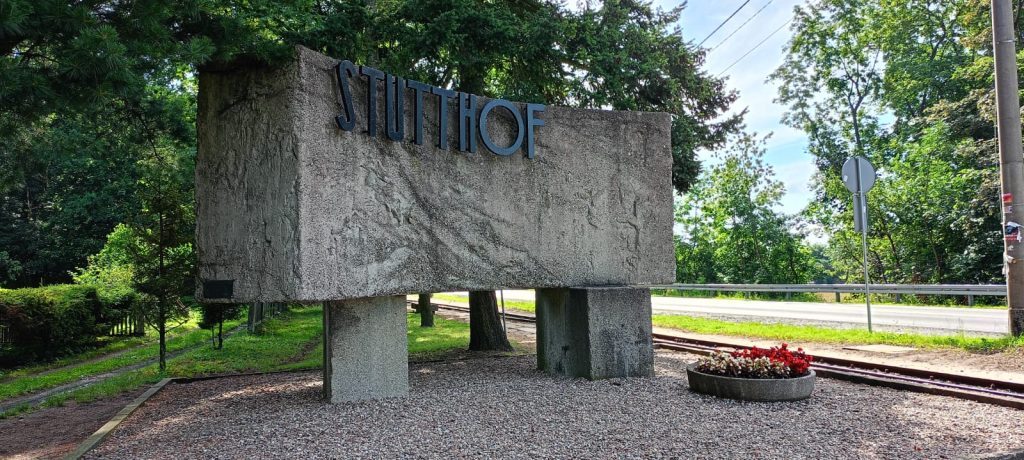
This wooden entrance has become one of the most recognisable symbols of the camp. Beyond the gate stands the prisoner barracks area. Several original barracks remain and now contain historical exhibitions. Inside these buildings you can see photographs, documents, and personal belongings of prisoners. These artefacts help tell individual stories from the camp. The commandant’s office and administrative buildings are also preserved. They demonstrate how the Nazi camp system was organised. One of the most difficult places to visit is the gas chamber. Nearby stands the crematorium building, which remains part of the memorial site. A large monument commemorates the victims of Stutthof. Many visitors pause here to reflect before leaving the grounds.
How to Get to Stutthof from Gdansk
Many travellers visit Stutthof as a day trip from Gdansk. The journey normally takes between 45 minutes and one hour. Driving is the most convenient option. The route runs through the scenic Vistula Spit region. Private transfers are also available from Gdansk. These services offer comfortable door‑to‑door transport. Although, they are quite costly and not always possible. During peak seasons it may be difficult to find drivers instantly. Public buses connect Gdansk with Sztutowo as well. However, the journey may take longer depending on the timetable. Some visitors prefer organised tours with transport included. This option is particularly popular with international travellers.
Opening Times and Tickets (2026)
The Stutthof Museum is open for most of the year. Opening times vary slightly depending on the season. During summer months the museum usually opens earlier in the morning. Winter hours tend to be shorter. Entry to the outdoor memorial grounds is generally free. Certain exhibitions and guided tours may require a ticket. Guided tours are strongly recommended for first‑time visitors. They provide important historical context and explanation. It is always wise to check the museum website before travelling. Opening times occasionally change during public holidays or maintenance work.
Visitor Tips
A visit to Stutthof can be emotionally challenging. Many people find the experience deeply moving.
- Allow at least two hours to explore the museum and memorial areas. Some visitors choose to spend longer reflecting on the site.
- Wear comfortable footwear because the museum grounds are quite extensive. Parts of the terrain may also be uneven.
- Photography is allowed in many areas, but respectful behaviour is expected. Remember that Stutthof is a place of remembrance.
- Arriving earlier in the day often provides a quieter atmosphere. This allows more time for reflection.
Why Visit Stutthof?
Stutthof Concentration Camp remains an important place of remembrance in Europe. It reminds visitors of the consequences of hatred and totalitarian ideology. Visiting the site helps preserve the memory of those who suffered here. Education about the past remains essential for future generations. For travellers interested in history, the museum offers a powerful educational experience. It also provides deeper understanding of the Second World War. Many visitors leave with a stronger appreciation for human dignity and freedom.
What to Expect During Your Visit
A visit to Stutthof is very different from typical tourist attractions. The atmosphere is quiet and reflective. Many visitors describe the experience as deeply emotional. The museum area is large and divided into several sections. You will walk through both original camp structures and memorial spaces. Each area helps explain different aspects of the camp’s history.
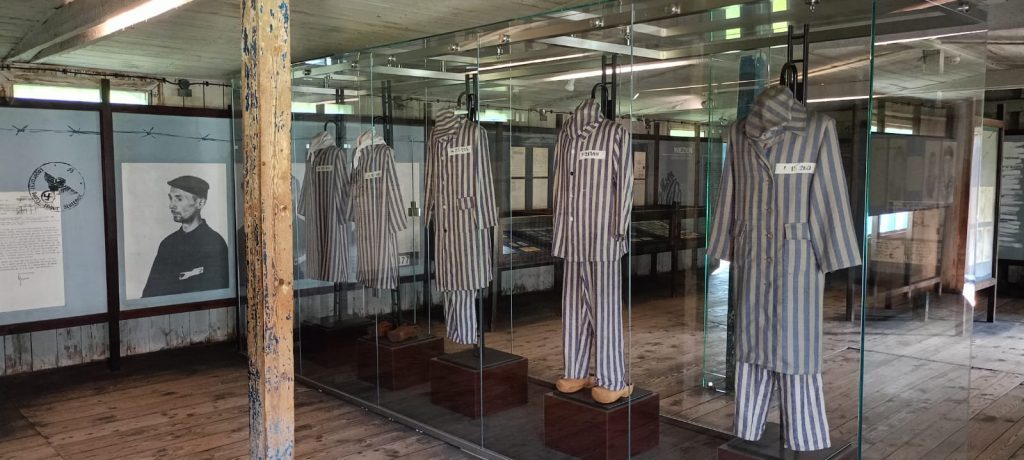
If you’re anxious about what to expect, don’t worry. Information boards are placed throughout the site. Many include English translations, which helps international visitors understand the exhibitions. Inside the barracks, exhibitions present photographs, personal objects, and historical documents. These artefacts may allow you to see human stories behind the statistics. Visitors often find these personal details especially powerful.
Some parts of the museum focus on the daily life of prisoners. These displays explain the harsh living conditions and forced labour. They also describe the strict rules imposed by the camp authorities. Other exhibitions explain how the camp system operated. They show the administrative structure and the role of the Nazi command staff.
Best Time of Year to Visit Stutthof
Stutthof can be visited throughout most of the year. Each season offers a slightly different experience.
Spring and early autumn are often considered the best times to visit. The weather is mild, and visitor numbers are usually moderate.
Summer brings warmer temperatures and longer daylight hours. This allows visitors more time to explore the museum grounds. However, it can also be the busiest period for tourism in the Gdansk region.
Winter visits are quieter and more reflective. The atmosphere during colder months can feel especially powerful. Fewer visitors usually means a more peaceful experience.
Regardless of the season, it is best to arrive earlier in the day. Because you deserve a calm and less crowded experience.
Combining Stutthof with Other Attractions
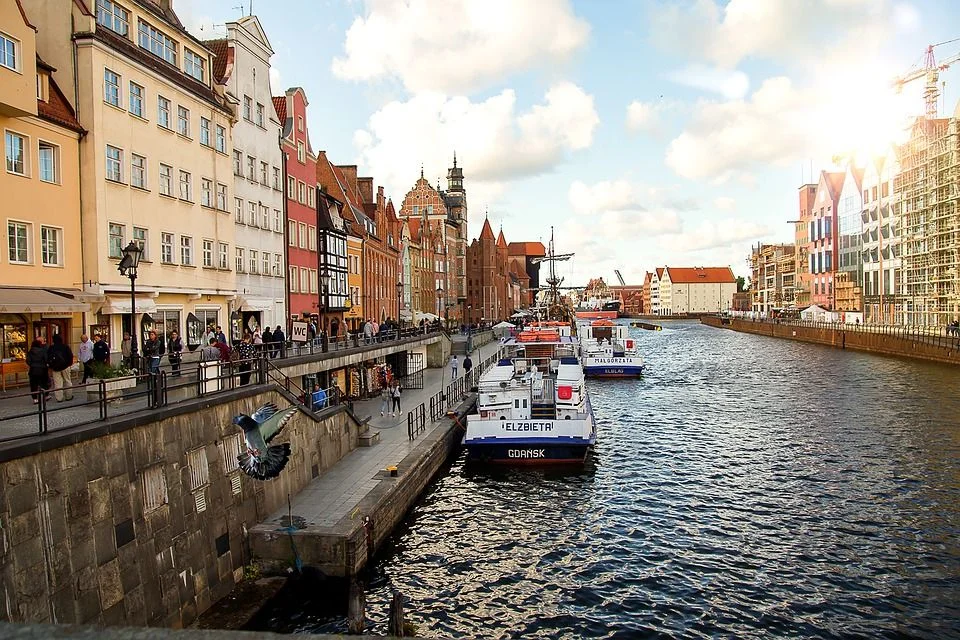
Many travellers combine a visit to Stutthof with other attractions near Gdansk. This makes the journey even more worthwhile. The historic city of Gdansk is one of the most beautiful destinations in Poland. Its Old Town features colourful merchant houses and historic streets.
The nearby seaside town of Krynica Morska is also worth exploring. It lies on the scenic Vistula Spit, surrounded by forests and beaches.
Nature lovers may enjoy visiting the Vistula Lagoon area. The region offers peaceful landscapes and unique coastal views.
Some visitors also explore the wider Pomeranian region during their trip. The area contains several historical landmarks related to the Second World War.
It’s good to plan your journey ahead. This way you’ll be sure not to miss anything that might be important for you.
Respectful Behaviour at Memorial Sites
- Stutthof is a place of remembrance and historical education. Hence, visitors are expected to behave respectfully throughout the site.
- Quiet conversation would be appreciated in exhibition areas because loud behaviour can disturb the reflective atmosphere.
- Photography is generally allowed in many sections. However, visitors should avoid posing in ways that could appear disrespectful.
- Following museum guidelines helps maintain the dignity of the memorial. Staff and guides are always available to answer questions.
- Taking time to reflect is an important part of the visit. Many people leave with a deeper understanding of history and its lessons.
Frequently Asked Questions (FAQ)
How far is Stutthof Concentration Camp from Gdańsk?
Stutthof lies around 36 kilometres east of Gdańsk. The drive usually takes 45 to 60 minutes.
Can you visit Stutthof without a guided tour?
Yes. Independent visits are possible. However, guided tours often provide much clearer historical context.
Is visiting Stutthof suitable for older travellers?
Yes. Paths around the museum are clearly marked and fairly accessible. Visitors should expect moderate walking.
How long should you spend at Stutthof Museum?
Most visitors spend two to three hours exploring the site. History enthusiasts sometimes stay longer.
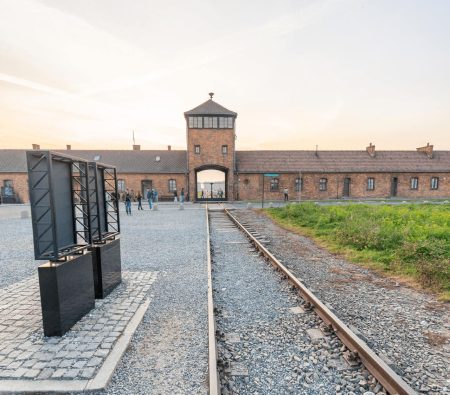
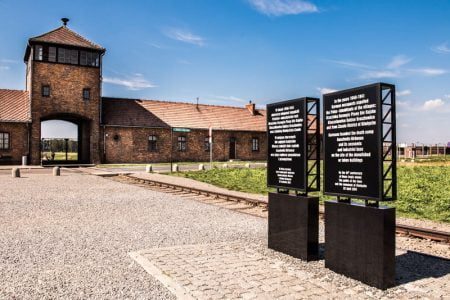
Is Stutthof similar to Auschwitz?
Stutthof was smaller than Auschwitz but still historically significant. It was the first Nazi concentration camp built outside Germany.
Are English guides available at Stutthof?
Yes. English guided tours are commonly available. Many exhibitions also include English descriptions.
Authoritative Sources and Historical Context
Reliable historical information strengthens understanding of the site. The Stutthof Museum maintains archives, documents, and survivor testimonies. Historians continue researching the camp and its network of sub‑camps. International institutions cooperate with the museum to preserve historical records.
Visitors are encouraged to approach the site thoughtfully and respectfully. Learning about Stutthof helps deepen awareness of the Holocaust and the Nazi occupation of Europe. Accurate historical education remains one of the most important reasons to visit places such as Stutthof today.