


Easter Markets Around the World: Top 5


Everyone gets hyped up about Christmas markets. Mulled wine, fairy lights, the same photos on Instagram. But what about Easter markets? They’re quieter and honestly more interesting if you pay attention… There’s less pressure to perform ‘magic’ and more space to just be. You walk slower (maybe because it’s not that cold anymore, hah). You notice details. And instead of heavy winter food and chaos, you get flowers, sunlight, and color everywhere. It’s so aesthetic. If you pick the right cities, it feels like stepping into someone’s traditions. So here we are, with Ranking of Best Easter Markets Around the World!
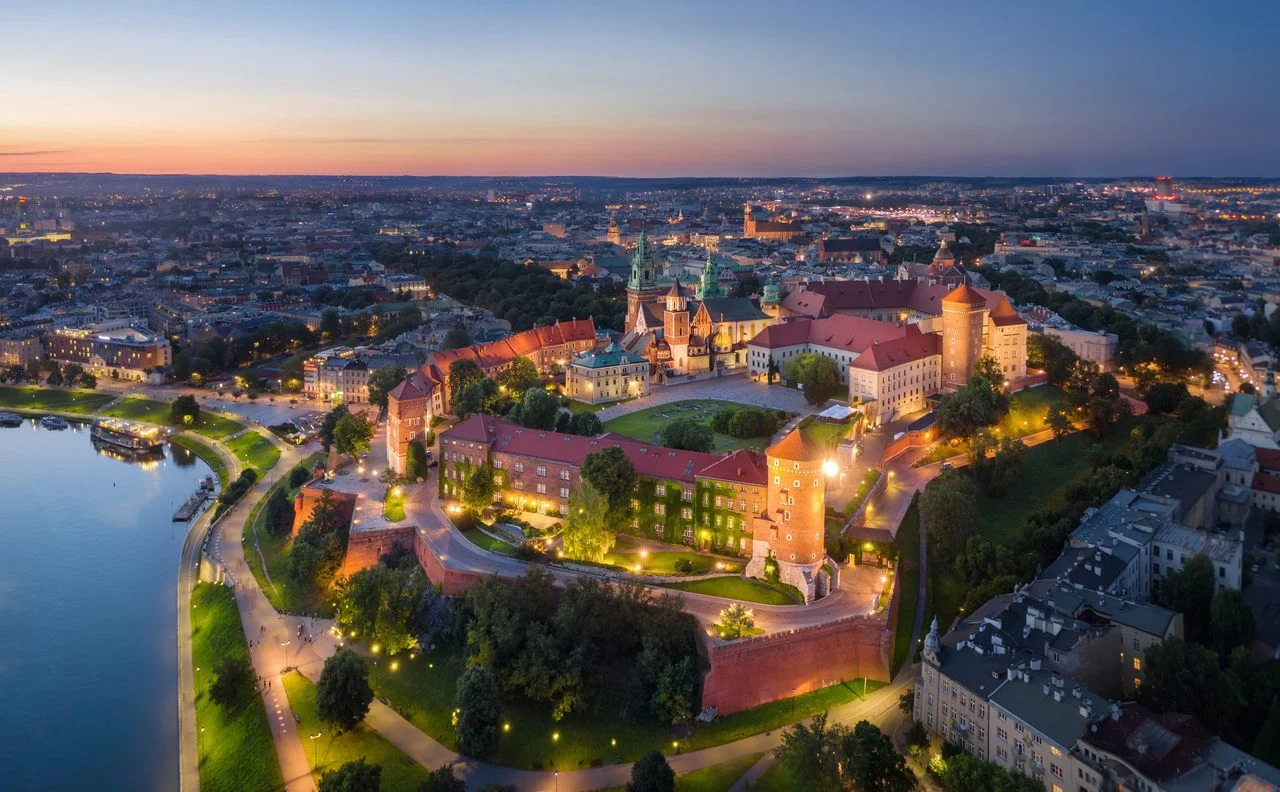
1. Krakow – The Heart of Students’ Vibes
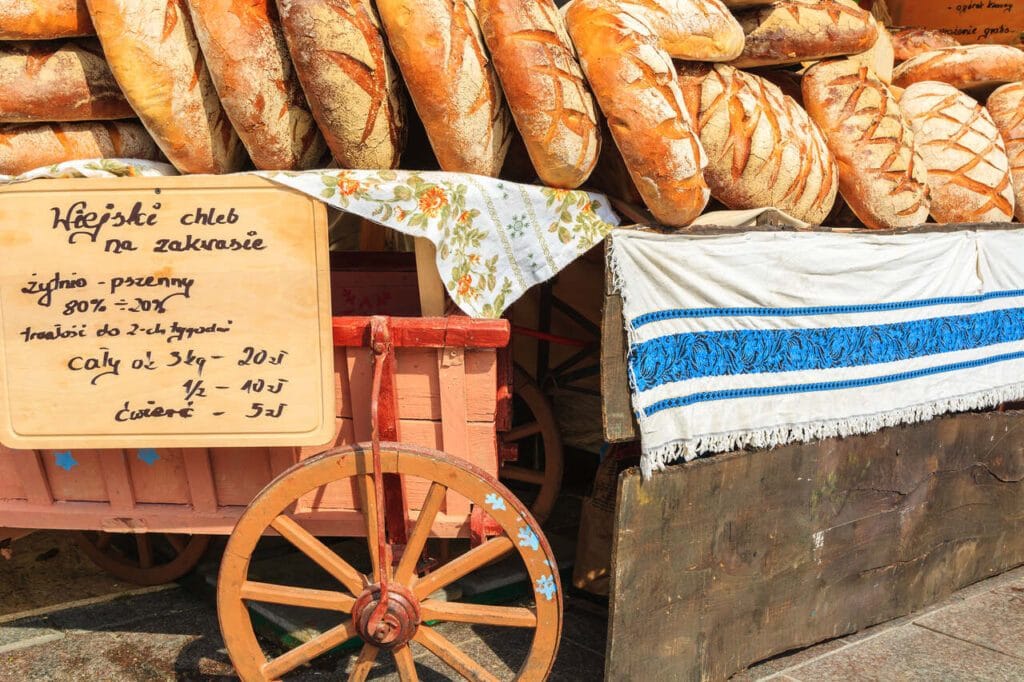
Krakow doesn’t try too hard. Maybe that’s exactly why it works. The Easter market sits right in Rynek Glowny, which already carries this quiet weight of history. And there are no cars so it’s safe to walk around. The wooden stalls, spring light and easter eggs look cute. I never get bored of this city. What stands out first are the pisanki, detailed, hand-painted eggs.
You’ll see patterns you don’t fully understand, but somehow they feel meaningful anyway. There’s also something comforting about the food here. Zurek in a bread bowl, warm pastries, simple things that don’t need explanation. But you wonder what might the best part be? Locals actually show up. They browse, chat, buy things they’ll probably use. And suddenly you are part of their lives too.
You can book your transfer from the Krakow airport here. This way you won’t get lost and our English-speakind driver will ensure your safety. Maybe they’ll teach you some Polish phrases too;).
2. Vienna – effortlessly pretty, slightly extra
Vienna is what happens when a city decides aesthetics are a personality trait. The Easter markets here are almost too pretty. Like, you’ll question if it’s real or some kind of curated set.
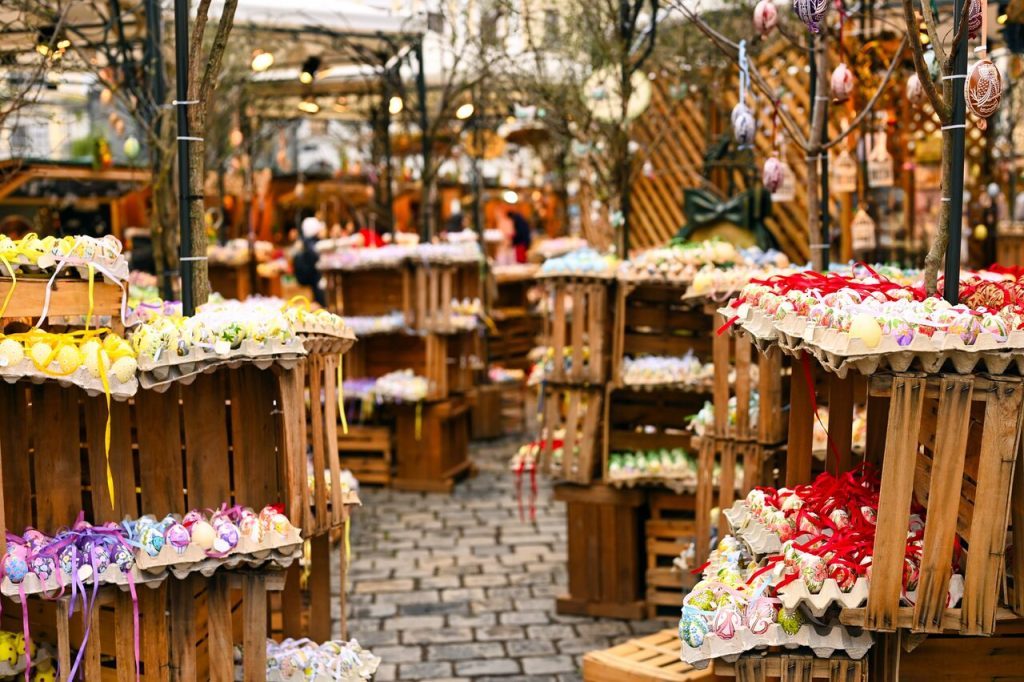
Schönbrunn Palace during Easter feels unreal in the best way. It offers pastel stalls, symmetrical layouts, everything is perfectly placed. Even the eggs look like they went to design school:). See that?
Surprisingly, it doesn’t feel cold. There’s music somewhere in the background, people lingering, not rushing. You grab something small to eat and you’re just… sitting there longer than planned. Vienna has this way of slowing you down without asking. And yes, it’s elegant. But not in an intimidating way. More like, “you could get used to this.”
3. Budapest – louder, warmer, more alive
Budapest doesn’t do subtle. The Easter market at Vörösmarty Square feels like something is always happening. Music, movement, people talking over each other. You don’t just walk through it. You kind of get pulled in.
There are folk dancers in traditional outfits that somehow don’t feel like a performance for tourists. More like something that would happen anyway, even if you weren’t there. And then there’s the food. Chimney cake spinning over heat, layers crisping slowly. Lángos being fried fresh, not trying to be healthy, just trying to be good.
It’s chaotic in a way that works. If Krakow feels reflective and Vienna feels composed, Budapest feels human. A bit messy, a bit loud but also very real.
If you’re travelling directly from the Budapest Airport to the city, you can book your transfer here. You won’t have to worry about logistics because transport is door-to-door.
4. Nuremberg – smaller, quieter, unexpectedly grounding
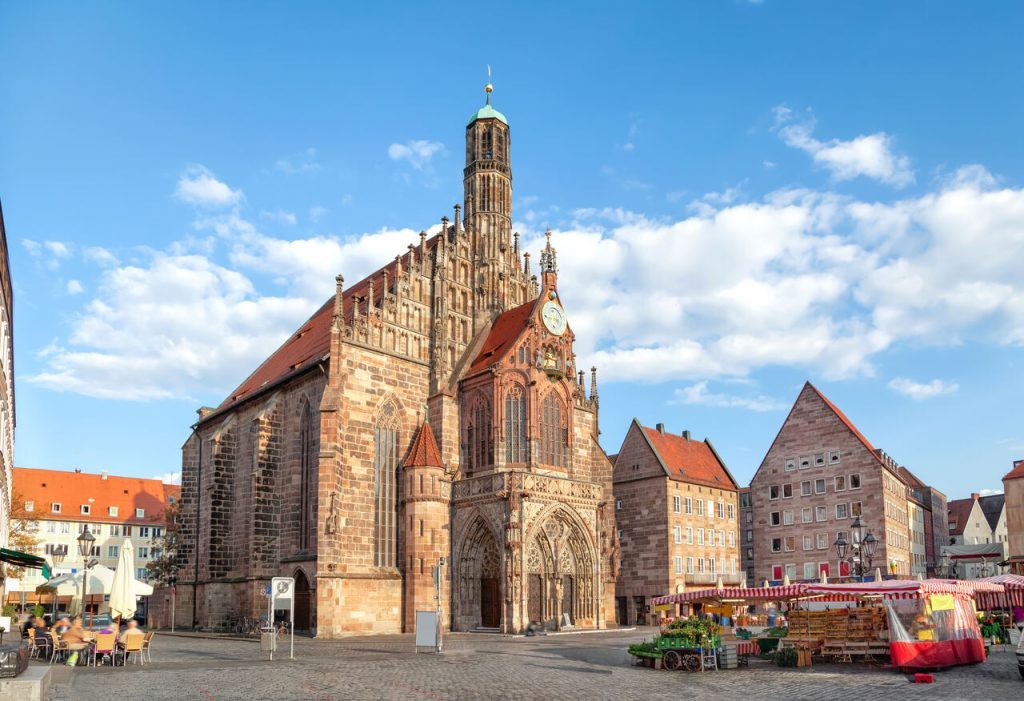
Nuremberg doesn’t compete for attention. Its Easter market is smaller, more contained. You could walk through it quickly… but you probably won’t. There’s something about the pace. People move slower, conversations last longer. It’s good to slow down nowadays. Appreciate what’s around us.
The focus here is craftsmanship. Wooden figures, handmade decorations, things that clearly took time. Nothing screams for attention. And because of that, you actually notice more.
Food is simple there. Sausages, pretzels, familiar smells. No reinvention and zero trends. Just things that have worked for decades. And somehow, that’s enough.
5. Strasbourg – soft, romantic, a little cinematic
Strasbourg feels like it was designed for spring. The Easter market near the cathedral has this lightness to it. Flowers everywhere, soft colors, small details that don’t try to impress you but still do. It’s quieter than you expect. Not empty, just… calm.
You notice textures more. Fabric, wood, little handmade objects that don’t look mass-produced. There’s also this subtle mix of cultures. French and German influences blending without making a big deal about it.
You can feel it in the food, in the design, even in how people interact. It’s the kind of place where you stop taking photos after a while. Not because it’s not pretty, but because you’re actually present:)
When to go (so you don’t ruin it for yourself)
Timing matters more than people think. Most markets open about two or three weeks before Easter. But the exact dates shift every year, so don’t guess.
A few things that make the experience better
- Don’t rush it. Seriously… If you treat it like a checklist, you’ll miss the whole point.
- Bring cash, even if you think you won’t need it. Some stalls still live in the past and refuse to evolve.
- Try things you don’t recognize. Worst case, it’s weird. Best case, you find something you’ll think about later.
- And talk to people if you get the chance. Networking is fun! They usually have better stories than anything you’ll read online.
FAQ (Frequently Asked Questions)
Are Easter markets only in Europe?
Mostly, yes. Europe has the richest traditions, but some cities in North America and Australia have started small Easter markets too.
Do I need to speak the local language?
Not really. English usually works at bigger markets. But a smile and “hello” in the local language always help.
What should I eat at an Easter market?
Try local specialties! Krakow has żurek, Budapest has chimney cake, Strasbourg has Alsatian pastries… and don’t skip the chocolate eggs.
Are Easter markets kid-friendly?
Totally. Many markets have workshops, live performances, and activities like egg painting that kids love.
Is there an entrance fee?
Almost never. Most markets are free, though some special workshops or shows may have a small fee.
Can I buy gifts there?
Absolutely. Handmade crafts, painted eggs, and local goodies make perfect gifts and they’re usually unique.
When is the best time to visit?
Weekdays, morning or late afternoon, depending on the vibe you want. See our “When to Go” table for city-specific tips.
Are Easter markets crowded like Christmas markets?
Generally, no. They’re smaller and more relaxed, though popular cities can get busy on weekends.
Do they close early?
Usually around 6–7 PM, depending on the city. Check local schedules to avoid disappointment.
Can I take photos?
Definitely. The colors, decorations, and light are gorgeous, especially in the morning and golden hour.