



What to Wear When Visiting Auschwitz: A Practical Guide for Comfortable Sightseeing


Visiting Auschwitz-Birkenau is unlike visiting any other tourist attraction in Poland. As one of the most significant historical sites in the world, the former Nazi concentration and extermination camp attracts millions of visitors each year who come to learn about history, honor the victims, and reflect on one of humanity’s darkest chapters. While many travelers focus on booking tickets and arranging transportation, one important question often arises before the visit: What to wear when visiting Auschwitz?
There is no official uniform or strict dress code enforced at the memorial. However, because Auschwitz is a place of remembrance rather than a traditional tourist destination, visitors are expected to dress respectfully while also considering the practical realities of spending several hours outdoors.
This guide explains what clothing is appropriate, what to avoid, and how to prepare for different seasons.
Is There a Dress Code for Auschwitz?
Technically speaking, Auschwitz-Birkenau Memorial and Museum does not impose a formal dress code. Visitors will not be denied entry for wearing casual clothing.
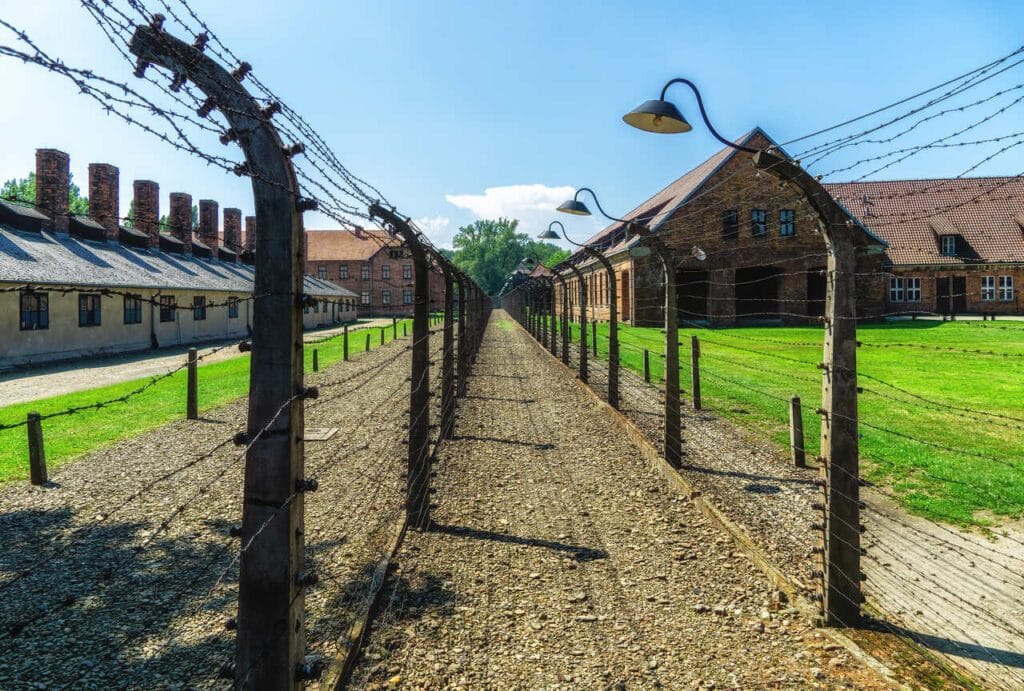
However, the site is considered a memorial and cemetery. More than one million people lost their lives there, making it a place of profound historical and emotional significance. For this reason, visitors are encouraged to choose attire that reflects the solemn nature of the location.
In general, clothing should be neat, comfortable, and respectful. The goal is not to dress formally but to avoid outfits that may appear inappropriate or distracting in such a setting.
The Importance of Comfortable Clothing
Many first-time visitors underestimate the size of the Auschwitz-Birkenau complex. The visit typically involves several hours of walking, often on uneven surfaces, gravel paths, and open grounds.
The memorial consists of two main sites:
A guided tour usually lasts between 3.5 and 6 hours, depending on the option selected. Visitors may spend significant time standing, walking, and moving between different sections of the memorial.
For this reason, comfort should be one of your primary considerations when choosing what to wear when visiting Auschwitz.
Recommended Clothing for Men and Women
The best approach is to dress modestly and practically.
Suitable clothing includes:
- Long trousers or casual pants
- Jeans in good condition
- Polo shirts
- T-shirts without offensive graphics
- Blouses or shirts
- Light sweaters
- Cardigans
- Jackets appropriate for the weather
- Comfortable walking shoes
Many visitors opt for simple, neutral-colored clothing. While bright colors are not prohibited, understated outfits often feel more appropriate given the atmosphere of the memorial.
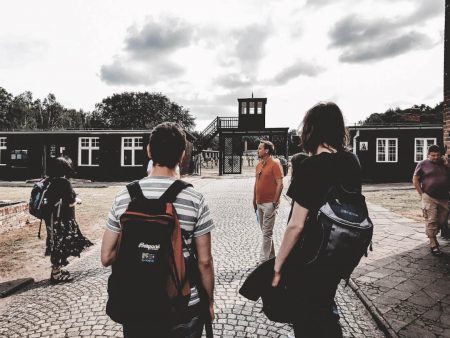
Example of Appropriate Attire
The key principle is simple: dress as you would for an important historical site or place of remembrance.
What Clothing Should Be Avoided?
Although there is no official list of prohibited garments, certain types of clothing may be viewed as disrespectful by other visitors.
It is advisable to avoid:
- Swimwear
- Extremely revealing outfits
- Clothing with offensive slogans
- Clothing displaying hate symbols
- Party-themed costumes
- Excessively ripped garments
- Clothing intended to attract attention
Likewise, visitors should remember that many people come to Auschwitz for personal, educational, or commemorative reasons. Maintaining a respectful appearance contributes to the atmosphere of reflection that the memorial seeks to preserve.
Footwear: The Most Important Part of Your Outfit
If there is one piece of advice repeated by experienced visitors, it is this: wear comfortable shoes.
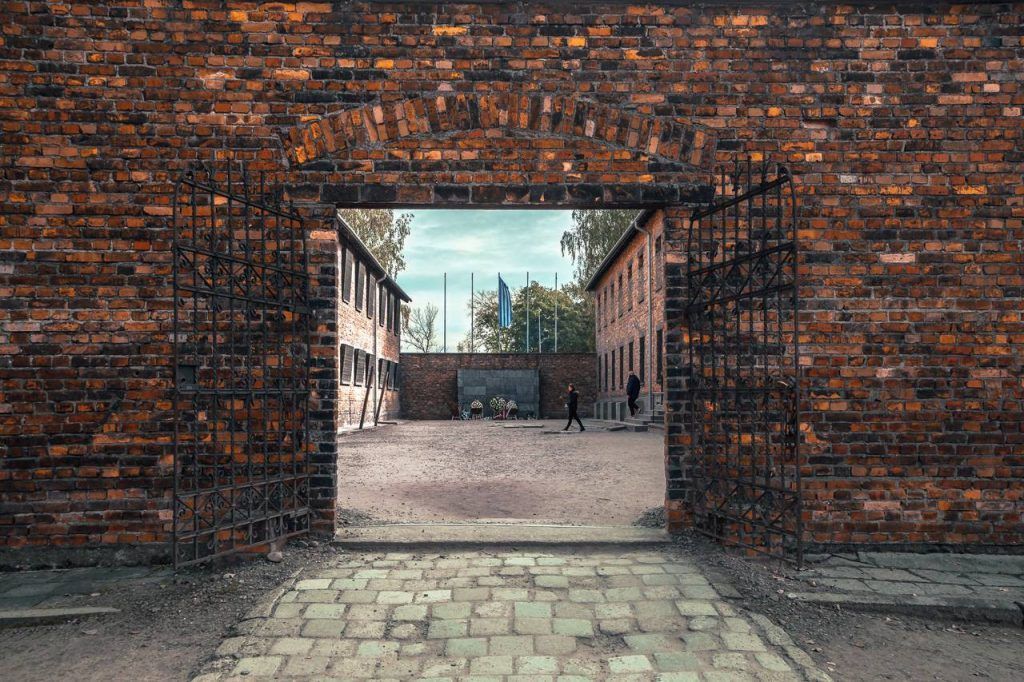
The grounds of Auschwitz-Birkenau cover a large area, and much of the route involves walking outdoors. Depending on weather conditions, paths may be uneven, muddy, snowy, or covered with gravel.
Recommended footwear includes:
- Walking shoes
- Comfortable sneakers
- Hiking shoes
- Supportive trainers
Less suitable options include:
- High heels
- Flip-flops
- Sandals with little support
- New shoes that have not been broken in
Choosing proper footwear can significantly improve your experience, especially during longer guided tours.
What to Wear When Visiting Auschwitz in Summer
Summer is one of the busiest times to visit Auschwitz. Temperatures in southern Poland frequently reach 25–35°C (77–95°F), and large portions of Birkenau offer little shade.
To stay comfortable, consider wearing:
- Lightweight clothing
- Breathable fabrics such as cotton or linen
- A hat or cap
- Sunglasses
- Comfortable walking shoes
However, visitors should balance comfort with respect. Very short shorts, beachwear, and highly revealing tops may not be the most appropriate choices.
Summer Essentials
Even on hot days, remember that the purpose of the visit is educational and commemorative rather than recreational.
What to Wear When Visiting Auschwitz in Winter
Winter visits offer a different experience. Snow-covered grounds can create a powerful atmosphere, but temperatures often fall below freezing.
During the winter months, visitors should dress in layers.
A practical winter outfit may include:
- Thermal base layer
- Sweater or fleece
- Insulated winter coat
- Gloves
- Scarf
- Warm hat
- Waterproof footwear
Since much of the visit takes place outdoors, proper winter clothing is essential.
Winter Clothing Checklist
Many visitors are surprised by how cold and windy Birkenau can feel during winter, especially in open areas.
Spring and Autumn: The Most Unpredictable Seasons
Spring and autumn are often considered ideal times to visit Auschwitz because temperatures are generally moderate and visitor numbers may be lower than during peak summer months.
However, weather conditions can change quickly.
Layered clothing works best because it allows visitors to adapt throughout the day.
A typical spring or autumn outfit might include:
- Long trousers
- Comfortable shoes
- Light sweater
- Waterproof jacket
- Small umbrella
Checking the weather forecast before departure is always advisable. Below you can see the weather forecast in Krakow for these days.
KRAKOW WEATHER
Should You Bring a Jacket Even in Warm Weather?
Many travelers visiting from Krakow or nearby cities wonder whether they need a jacket during warmer months.
The answer is often yes.
Weather conditions can shift throughout the day, particularly in spring and autumn. Morning temperatures may be cool even when afternoons are warm.
A lightweight jacket or cardigan provides flexibility without adding significant weight to your bag.
What About Religious or Cultural Clothing?
Visitors from around the world come to Auschwitz, representing many cultures and faiths.
Religious clothing is entirely acceptable. Whether someone wears a headscarf, yarmulke, turban, cross, or other religious attire, such clothing is generally viewed as part of personal identity and is commonly seen among visitors.
The key expectation remains the same for everyone: clothing should be respectful and suitable for a memorial site.
Practical Items to Bring Along
In addition to clothing, several practical items can make your visit more comfortable.
Consider bringing:
- Water bottle
- Weather-appropriate outerwear
- Sunglasses
- Small umbrella
- Tissues
- Fully charged phone
- Travel documents and tickets
At the same time, avoid carrying unnecessarily large bags, as restrictions may apply to luggage brought into the museum area.
Final Thoughts
There is no strict dress code for Auschwitz, but choosing appropriate clothing is an important part of preparing for the visit. The memorial is a place of remembrance, education, and reflection, and visitors are encouraged to dress in a manner that respects its historical significance.
At the same time, comfort should not be overlooked. A typical visit involves several hours of walking through both indoor and outdoor areas, often in changing weather conditions.
The best outfit for Auschwitz combines three qualities:
- Respectful appearance.
- Weather-appropriate clothing.
- Comfortable footwear.
By planning ahead and dressing appropriately, visitors can focus fully on understanding the history of Auschwitz-Birkenau and paying tribute to those who suffered there.
FAQ (Frequently Asked Questions)
Do I need to follow a strict dress code when visiting Auschwitz?
No, there is no official dress code. However, visitors are expected to dress respectfully, as Auschwitz is a memorial site rather than a typical tourist attraction.
Can I wear shorts or summer dresses?
Yes, but it is recommended to choose modest and comfortable clothing. Very short or beach-style outfits may feel inappropriate in the context of the site.
What shoes are best for visiting Auschwitz?
Comfortable walking shoes or sneakers are strongly recommended. The visit involves several hours of walking on uneven ground, including gravel and outdoor paths.
Should I dress differently depending on the season?
Yes. In summer, light and breathable clothing works best, while in winter you should dress in layers with a warm coat, gloves, and waterproof footwear.
Can I bring a backpack or bag?
Small bags are usually allowed, but large luggage may be restricted. It is best to travel light and bring only essentials such as water, documents, and weather-appropriate items.
Is it appropriate to take photos at Auschwitz?
Photography is allowed in many areas, but it should always be done respectfully. Some exhibition spaces have restrictions, and flash photography is not permitted indoors.