
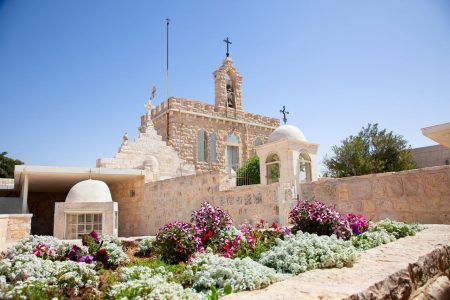

Things to do in Krakow: 15 Unique Attractions, Museums, Cafés & Hidden Gems (2026 Guide)


Krakow is often described as one of Europe’s most beautiful city break destinations. It’s for a good reason. Its medieval Old Town, royal castle and historic streets attract millions of visitors every year. We all know that first-time tourists usually focus on the postcard attractions. However, there are more things to do in Krakow! Nowadays, Krakow is also a hub for contemporary culture, specialty coffee, riverside events, creative districts and unique local experiences that many visitors never discover. If you’re planning a trip and looking for the best things to do in Krakow, this guide covers both the city’s must-see highlights and some of its most interesting niche spots.
Why Krakow Is Worth More Than a Weekend
Many visitors arrive expecting to spend a day or two exploring the Old Town before moving on. In reality, Krakow easily fills three to five days.
The city combines centuries of history with modern attractions, excellent food, walkable neighbourhoods and some of Poland’s most important cultural sites. It is also one of the best bases for exploring southern Poland, thanks to popular destinations such as Auschwitz-Birkenau, the Wieliczka Salt Mine and Zakopane.
Krakow offers something for every type of traveller. So you can be passionate about history, architecture or museums. It doesn’t really matter. You will for sure find a place for yourself.
Explore Krakow’s Historic Highlights
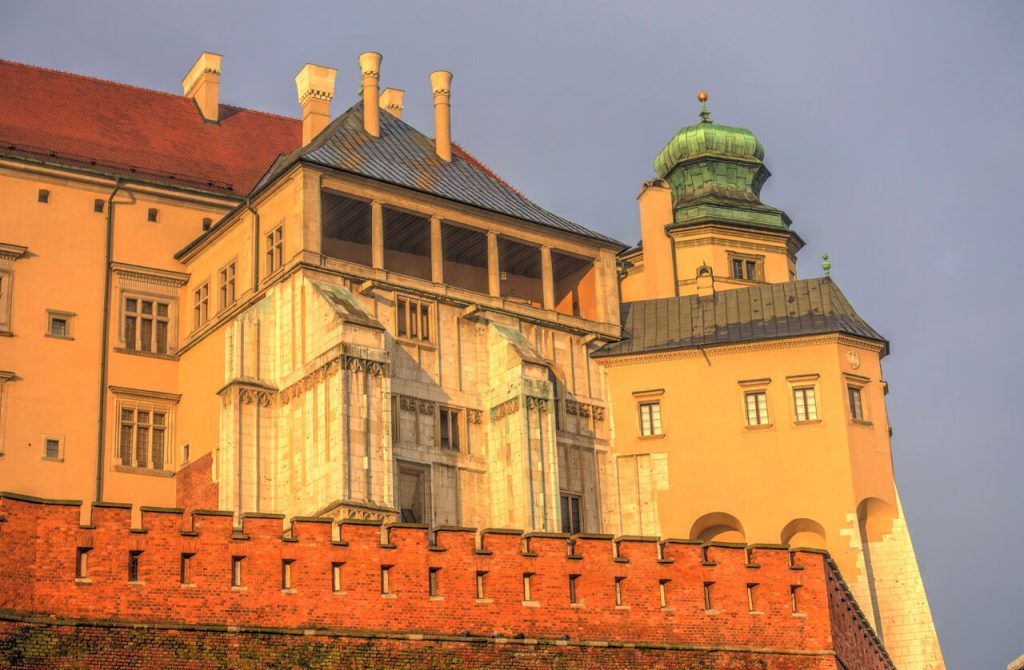
Wawel Castle and Wawel Hill
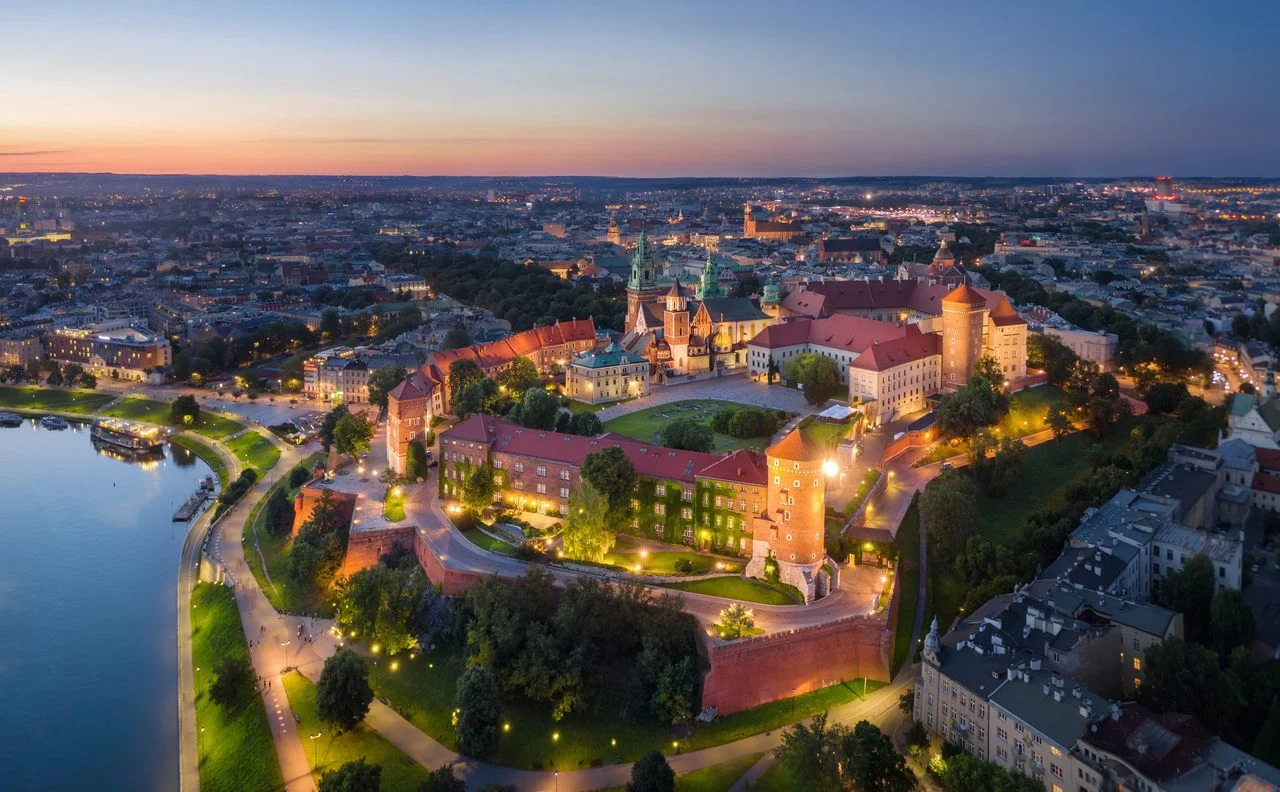
No visit to Krakow is complete without Wawel Castle.
Located above the Vistula River, Wawel served as the residence of Polish kings for centuries and remains one of the country’s most important landmarks. It’s very visible so you can’t miss it.
Visitors can explore royal chambers, courtyards, cathedral interiors and exhibitions showcasing Polish history and art. The hill itself also offers excellent views of the river and surrounding city.
During summer, queues can become long, particularly for the State Rooms and Royal Apartments. Arriving early in the morning is usually the best strategy.
Allow at least two to three hours if you want to explore the site properly.
Main Market Square (Rynek Główny)
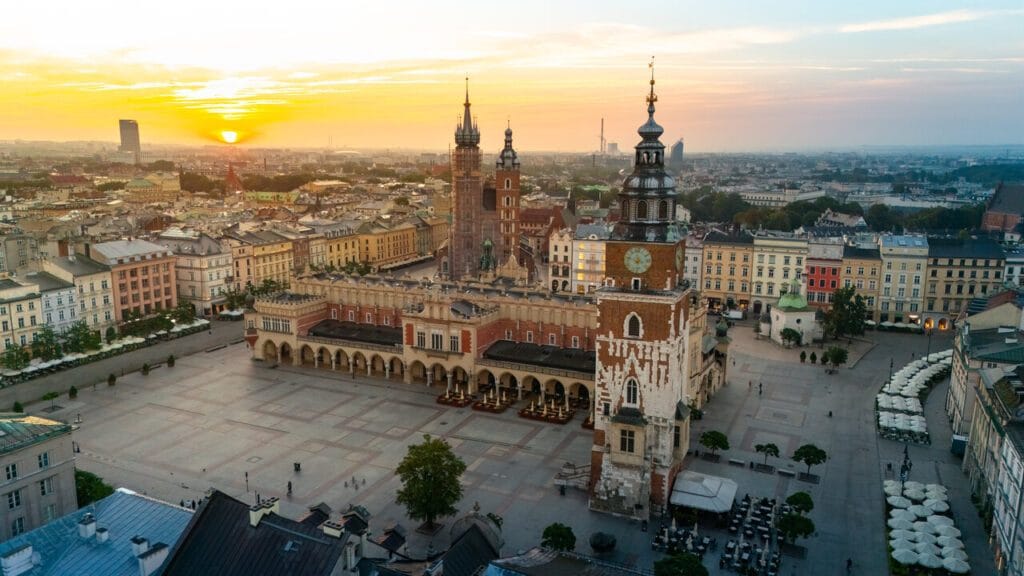
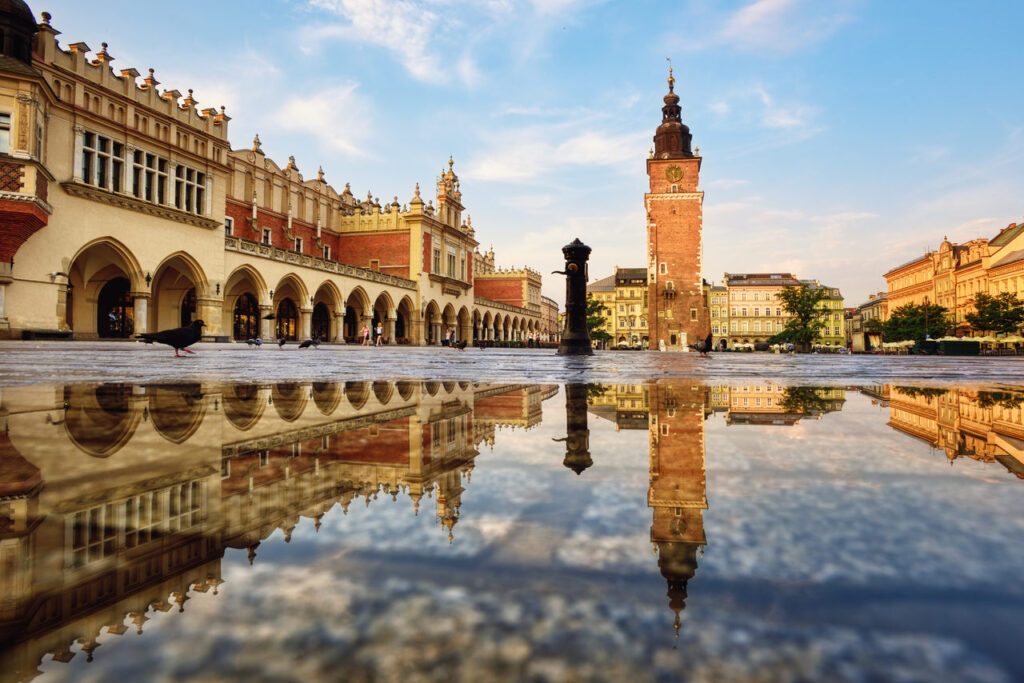
The Main Market Square sits at the heart of Krakow and remains one of the largest medieval squares in Europe.
Surrounded by colourful townhouses, churches and restaurants, it is often the first place visitors encounter after arriving in the city centre.
Highlights include:
- St. Mary’s Basilica
- The Cloth Hall (Sukiennice)
- Town Hall Tower
- Rynek Underground Museum
- Numerous cafés and outdoor terraces
Even if you’ve already visited during the day, return in the evening when the square takes on a completely different atmosphere. You won’t regret it.
St. Mary’s Basilica
One of Krakow’s most recognisable landmarks, St. Mary’s Basilica dominates the Main Market Square with its distinctive twin towers.
Every hour, a trumpeter plays the famous hejnał from the church tower, a tradition that dates back centuries.
Inside, visitors can admire one of Europe’s largest Gothic altarpieces, created by Veit Stoss in the 15th century.
Kazimierz – Krakow’s Most Atmospheric District
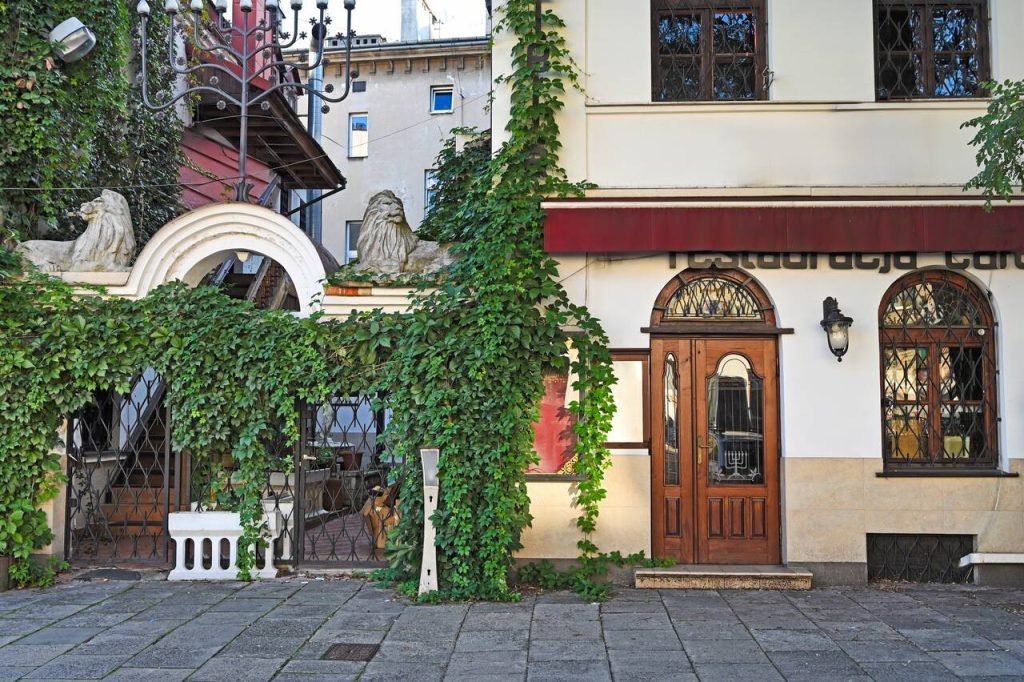
If there’s one neighbourhood that perfectly captures modern Krakow’s character, it’s Kazimierz.
Once an independent town and later the centre of Jewish life in Krakow, Kazimierz has evolved into one of the city’s most vibrant districts.
Today you’ll find:
- Historic synagogues
- Independent cafés
- Art galleries
- Cocktail bars
- Street art
- Local restaurants
The district feels more relaxed and authentic than the Old Town and is particularly enjoyable in the evening.
Many locals consider Kazimierz the cultural heart of contemporary Krakow. And food stalls in Okrąglak are open ’till 2am. That’s how this district allows you to party for a long time.
Discover Krakow’s Hidden Gems
Explore the Wesoła District
While most tourists never venture beyond the Old Town and Kazimierz, locals increasingly spend time in Wesoła.
This former hospital district has been gradually transformed into a creative and cultural space featuring:
- Art exhibitions
- Community events
- Workshops
- Pop-up markets
- Outdoor gatherings
The area provides an interesting glimpse into Krakow’s future while preserving much of its historic character.
During major city festivals such as Wianki, Wesoła often hosts workshops and cultural activities before celebrations move toward the Vistula River.
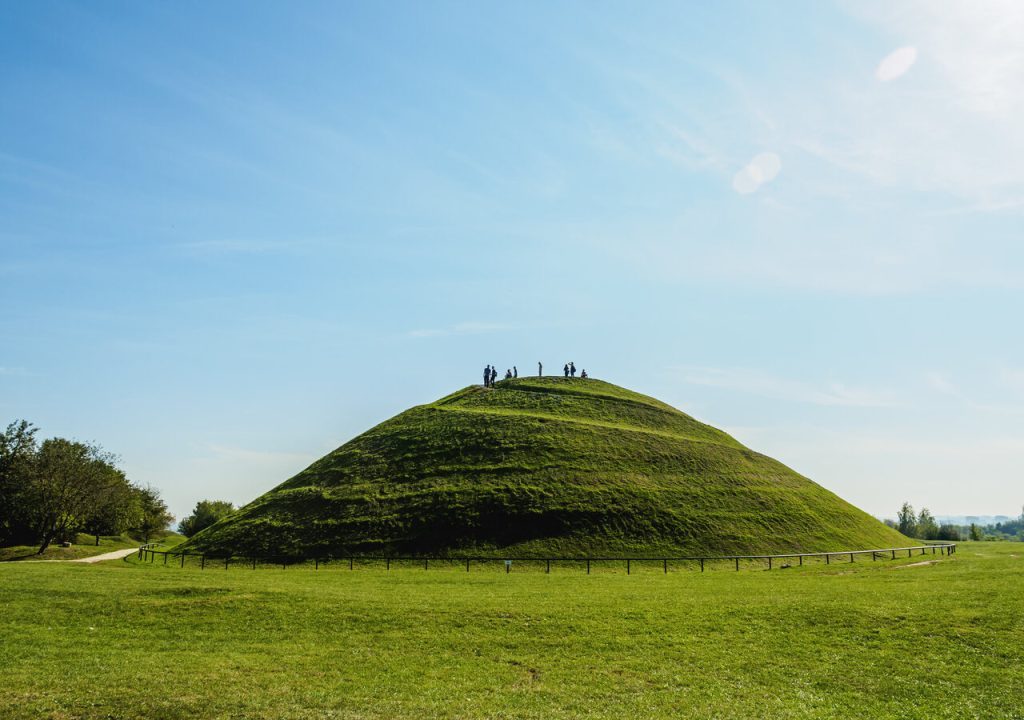
Watch Sunset from Krakus Mound
Looking for one of the best viewpoints in Krakow?
Skip the crowded observation decks and head to Krakus Mound.
Located in Podgórze, this ancient mound offers panoramic views across the city skyline, Wawel Castle and the surrounding hills.
It’s particularly popular at sunset when locals gather on the grass to relax and enjoy the view.
Best of all, visiting is completely free.
Visit the Bernatka Footbridge
Connecting Kazimierz and Podgórze, the Bernatka Footbridge has become one of Krakow’s most photogenic locations.
The bridge is famous for its balancing acrobat sculptures suspended above pedestrians and cyclists. And it’s safe because this particular bridge
It also offers beautiful views of the Vistula River, especially during sunset and after dark when city lights reflect on the water.
Walk Along the Vistula Boulevards
The Vistula Boulevards are among Krakow’s most underrated attractions.
Stretching along both sides of the river, these pathways provide an entirely different perspective of the city. You can walk there or rent a bicycle.
You’ll find:
- Walking routes
- Cycling paths
- River cruises
- Seasonal food boats
- Outdoor events
- Riverside cafés
During warm months, this becomes one of the most popular gathering spots for locals.
The Best Museums in Krakow
Rynek Underground Museum
Many visitors only experience Krakow at street level.
Beneath the Main Market Square lies one of the city’s most fascinating museums.
The Rynek Underground Museum combines archaeological discoveries with interactive exhibits that reveal what life looked like in medieval Krakow.
You’ll walk through preserved market structures, learn about ancient trade routes and see how the city developed over centuries.
It’s one of the most engaging museums for first-time visitors.
Oskar Schindler’s Factory
Few museums have had a greater impact on Krakow tourism than Schindler’s Factory.
Rather than focusing solely on Oskar Schindler himself, the museum tells the broader story of Krakow during Nazi occupation.
The exhibition uses photographs, multimedia displays and reconstructed environments to help visitors understand daily life during World War II.
Tickets frequently sell out, so booking in advance is highly recommended.
MOCAK Museum of Contemporary Art
For something completely different, head to MOCAK.
Located in Zabłocie, this museum focuses on contemporary art and modern social issues.
The exhibitions regularly feature international artists and often explore topics such as identity, technology, politics and culture.
Even visitors who don’t normally enjoy art museums often find MOCAK surprisingly accessible.
Manggha Museum
Situated on the opposite bank of the river from Wawel Castle, Manggha offers one of Krakow’s most unique cultural experiences.
Dedicated to Japanese art and culture, the museum hosts exhibitions, workshops, concerts and cultural events throughout the year.
The architecture alone makes it worth visiting.
Explore Zabłocie – Krakow’s Trendiest District
Ten years ago, most tourists never visited Zabłocie.
Today it’s one of the city’s most exciting neighbourhoods.
Former industrial buildings have been transformed into:
- Creative offices
- Restaurants
- Art spaces
- Coffee shops
- Museums
- Cultural venues
The district feels noticeably different from the medieval city centre and showcases Krakow’s modern identity.
If you’re interested in photography, architecture or urban culture, this area deserves a place on your itinerary.
The Best Cafés in Krakow
Krakow’s specialty coffee scene has grown rapidly and now rivals many larger European cities.

Karma Coffee Roasters
Often considered one of the city’s best coffee destinations, Karma focuses on carefully sourced beans and expert brewing methods.
It’s a favourite among both locals and visitors. And bonus – dogs are allowed!
Auro Café
Modern and artistic approach to coffee. This place offers space (however, it can be crouded, as it’s close to the train station). Very good vibes there.
Recommended for insta-friendly pics and also good-quality matcha.
Megiddo Café
Located near the city centre, Megiddo combines excellent coffee with a relaxed atmosphere and stylish interior.
It’s an ideal stop during a day of sightseeing.
Urban Coffee
Popular among students and remote workers, Urban Coffee provides a comfortable environment and consistently good drinks.
What Food Should You Try in Krakow?
No visit to Krakow is complete without sampling some traditional Polish cuisine.
Pierogi
Poland’s most famous dish comes in countless varieties.
Popular fillings include:
- Potato and cheese
- Meat
- Mushrooms
- Sauerkraut
- Seasonal fruits
Żurek
This traditional sour rye soup is one of Poland’s most distinctive dishes.
Served with sausage and egg, it’s particularly popular during colder months.
Obwarzanek
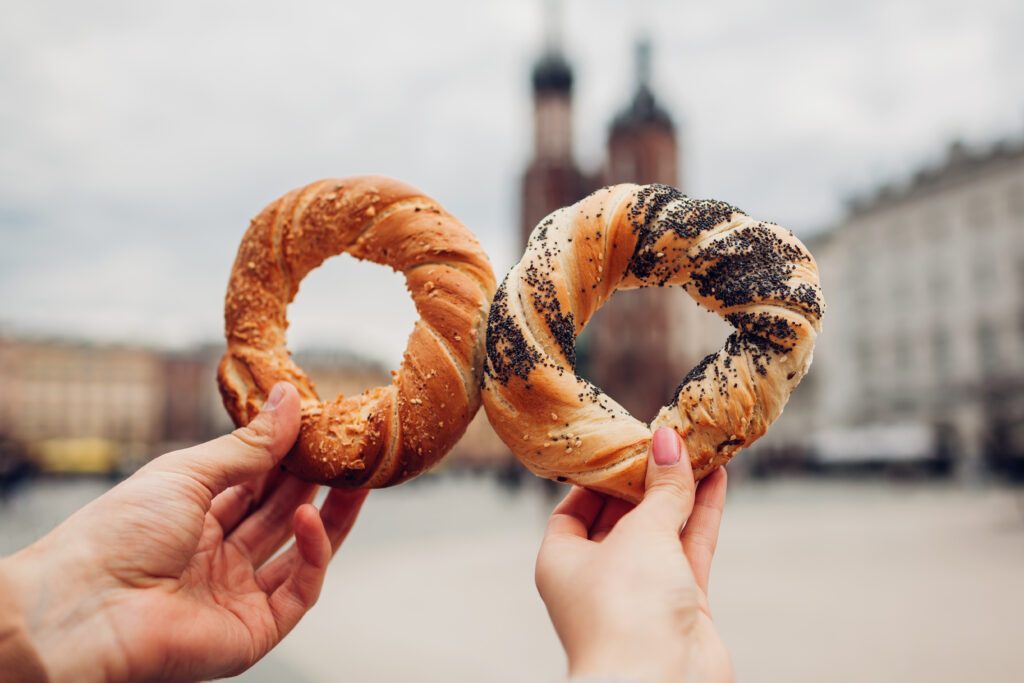
Often compared to a bagel, the obwarzanek is Krakow’s iconic street food.
You’ll find blue street carts selling them throughout the city centre.
Zapiekanka
For a quick meal, head to Plac Nowy in Kazimierz and try a traditional zapiekanka. It’s an open-faced toasted baguette topped with cheese and various ingredients.
Day Trips from Krakow
Wieliczka Salt Mine
Just outside Krakow lies one of Poland’s most extraordinary attractions: the Wieliczka Salt Mine.
Recognised as a UNESCO World Heritage Site, the mine has been operating for over 700 years and extends through hundreds of kilometres of underground tunnels.
Visitors descend deep below ground to discover an underground world of chambers, lakes, sculptures and chapels carved entirely from salt.
The highlight for many travellers is the breathtaking St. Kinga’s Chapel, a vast underground church featuring chandeliers, religious sculptures and intricate decorations, all created from rock salt by miners.
A standard tourist route covers around 3 kilometres and includes more than 700 steps. While the tour is not physically demanding for most visitors, comfortable footwear is recommended.
The mine remains a popular attraction throughout the year because temperatures underground stay relatively constant regardless of weather conditions.
Since daily visitor numbers are limited, many travellers choose a Wieliczka Salt Mine tour from Krakow to secure entry and avoid transport logistics. Tickets can sell out quickly during peak season.
Auschwitz-Birkenau Memorial
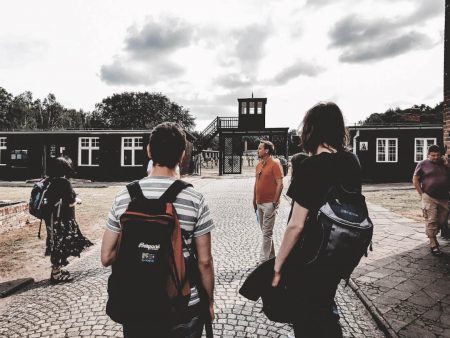
A visit to Auschwitz-Birkenau is one of the most important and moving experiences in Poland.
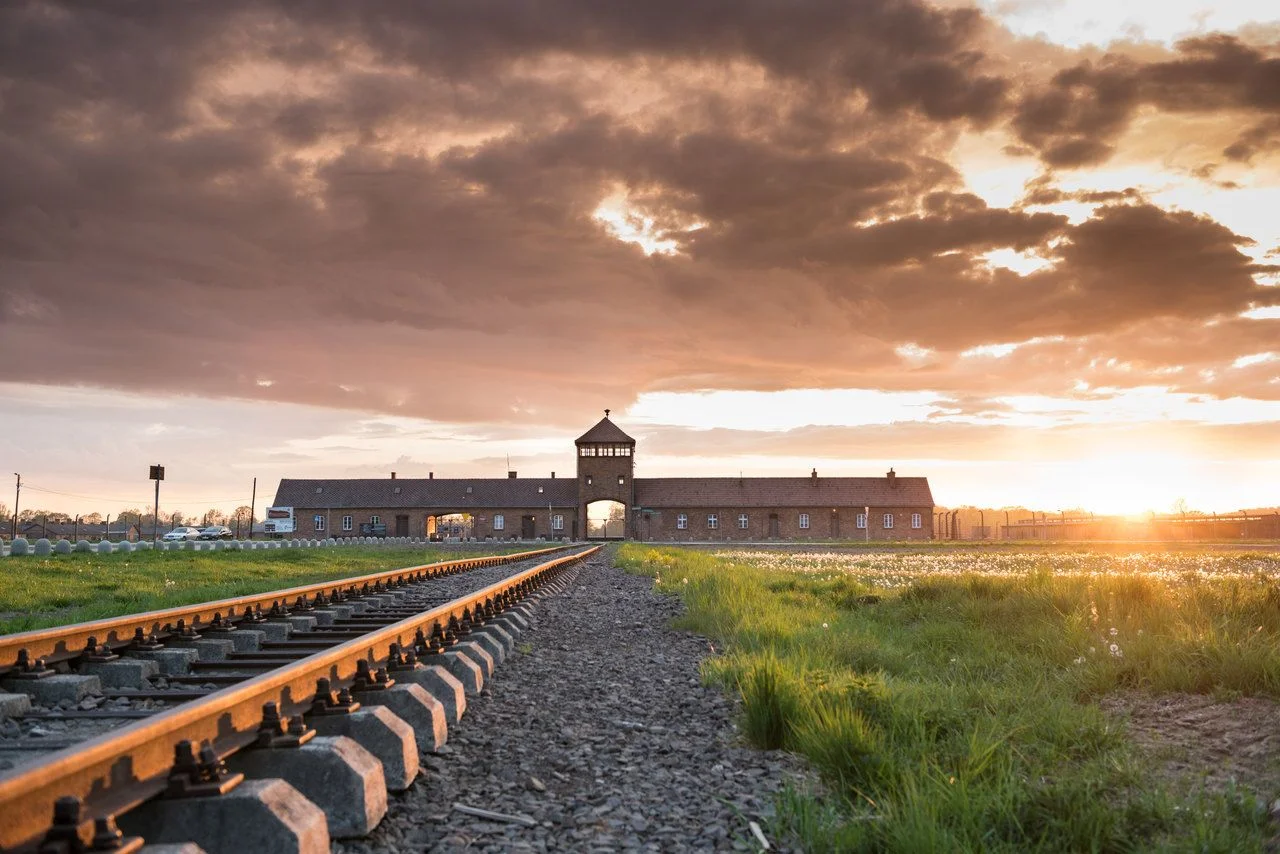
Located approximately 70 kilometres from Krakow, the former Nazi concentration and extermination camp has been preserved as a memorial to the victims of the Holocaust and serves as a powerful educational site visited by millions of people every year.
The complex consists of two main sections: Auschwitz I, where visitors can see original prison blocks, exhibitions and historical displays, and Auschwitz II-Birkenau, the much larger camp where the remains of barracks, watchtowers and railway tracks provide a stark reminder of the scale of the atrocities committed there.
Because of the historical significance of the site, visitors should plan several hours for the experience. Most guided visits take between 3.5 and 4 hours, not including transportation from Krakow.
Public transport is available, but many travellers prefer booking a guided Auschwitz tour from Krakow. Transportation is organised, entry arrangements are handled in advance, and licensed guides provide valuable historical context throughout the visit.
During peak travel periods, tickets can sell out weeks ahead, especially in summer. If Auschwitz is high on your list, booking early is strongly recommended.
Zakopane and the Tatra Mountains
If you want to experience Poland beyond its cities, a day trip to Zakopane is one of the best options available.
Often called the winter capital of Poland, Zakopane sits at the foot of the Tatra Mountains and offers spectacular scenery throughout the year.
In summer, visitors come for mountain views, hiking trails and fresh air. In winter, the region transforms into one of Poland’s most popular ski destinations.
Even if you’re not planning a serious mountain hike, Zakopane offers plenty to see. Krupówki Street, the town’s main promenade, is lined with restaurants, souvenir shops and traditional highlander architecture. Visitors can sample local specialities such as oscypek smoked cheese and enjoy views of the surrounding peaks.
One of the most popular activities is taking the funicular railway to Gubałówka Hill, where panoramic views stretch across Zakopane and the Tatra Mountains.
Travelling independently is possible, but road congestion, especially during weekends and holidays, can make planning difficult. Many visitors therefore choose a Zakopane day tour from Krakow with organised transportation and sightseeing stops included.
Practical Tips for Visiting Krakow
How Many Days Do You Need?
For first-time visitors, three full days is ideal.
This allows enough time to:
- Explore the Old Town
- Visit Kazimierz
- See several museums
- Take one day trip
If you plan to visit both Auschwitz and Wieliczka, consider staying at least four days.
How to Get Around Krakow
One of Krakow’s biggest advantages is its walkability.
Most major attractions can be reached on foot.
For longer distances, the city’s tram network is reliable, affordable and easy to use.
Taxis and ride-sharing services are widely available as well.
For better comfort and reliability it’s best to choose a private door-to-door transfer, such as MrShuttle.
When Is the Best Time to Visit?
May, June and September offer the best balance between weather, prices and crowd levels.
July and August are the busiest months, while winter brings Christmas markets and festive decorations.
If you’re interested in cultural events, June is particularly attractive thanks to festivals such as Wianki.
Should You Book Attractions in Advance?
Yes.
For popular attractions, booking ahead can save significant time.
This is especially true for:
- Schindler’s Factory
- Auschwitz-Birkenau
- Wieliczka Salt Mine
- Popular guided tours
During peak travel periods, waiting until arrival may mean limited availability.
Final Thoughts
Krakow’s appeal goes far beyond its medieval Old Town.
While landmarks such as Wawel Castle and the Main Market Square deserve their reputation, some of the city’s most memorable experiences can be found in places many tourists overlook. It could be watching sunset from Krakus Mound, exploring Zabłocie’s creative spaces, discovering the evolving Wesoła district or spending an afternoon café-hopping through Kazimierz.
The best way to experience Krakow is to combine the iconic attractions with a few hidden gems. Do that, and you’ll quickly understand why so many visitors return to the city again and again.
FAQ (Frequently Asked Questions)
What are the best things to do in Krakow?
The most popular things to do in Krakow include visiting Wawel Castle, exploring the Main Market Square, walking through Kazimierz, discovering Schindler’s Factory Museum and enjoying the city’s café culture. Many travellers also take day trips to Auschwitz-Birkenau, the Wieliczka Salt Mine and Zakopane.
Is Krakow worth visiting?
Yes. Krakow is widely considered one of the most beautiful cities in Central Europe. It combines historic landmarks, museums, excellent food, vibrant nightlife and easy access to some of Poland’s most famous attractions.
How many days do you need in Krakow?
Most visitors should spend at least three days in Krakow. This allows enough time to explore the Old Town, Kazimierz and several museums. If you also plan to visit Auschwitz, Wieliczka Salt Mine or Zakopane, four to five days is recommended.
What is Krakow famous for?
Krakow is famous for its medieval Old Town, Wawel Castle, Jewish heritage in Kazimierz, Schindler’s Factory, St. Mary’s Basilica and its role as Poland’s former royal capital. It is also the main gateway to Auschwitz-Birkenau and the Wieliczka Salt Mine.
What are some unique things to do in Krakow?
Beyond the main tourist attractions, visitors can explore the Wesoła district, watch sunset from Krakus Mound, visit contemporary art museums such as MOCAK, walk along the Vistula Boulevards or discover Krakow’s growing specialty coffee scene.
Is Krakow walkable?
Yes. Krakow is one of the most walkable cities in Europe. Most major attractions in the Old Town, Kazimierz and Podgórze can be reached on foot. For longer journeys, the city has an efficient tram and bus network.
When is the best time to visit Krakow?
The best months to visit Krakow are May, June and September. During this period, the weather is pleasant, outdoor events are common and the city is generally less crowded than during the peak summer season.
Is Auschwitz worth visiting from Krakow?
Auschwitz-Birkenau is one of the most significant historical sites in Europe and is visited by millions of people each year. Most travellers consider it an important and meaningful day trip from Krakow. Because visitor numbers are limited, booking a guided Auschwitz tour in advance is recommended.
How long does it take to visit Auschwitz from Krakow?
A typical Auschwitz day trip from Krakow takes between six and eight hours, including transportation, security procedures and the guided tour of Auschwitz I and Auschwitz II-Birkenau.
Is the Wieliczka Salt Mine worth visiting?
Yes. The Wieliczka Salt Mine is one of Poland’s most unique attractions and a UNESCO World Heritage Site. Visitors can explore underground chambers, salt sculptures, lakes and the famous St. Kinga’s Chapel carved entirely from salt.
How much time do you need at the Wieliczka Salt Mine?
Most visitors spend around two to three hours exploring the standard tourist route. Including transportation from Krakow, the entire excursion usually takes around four to five hours.
Is Zakopane worth a day trip from Krakow?
Yes. Zakopane is one of the most popular day trips from Krakow thanks to its mountain scenery, traditional highlander culture and access to the Tatra Mountains. It offers a completely different experience from the city and is especially popular among nature lovers.
Can you visit Auschwitz and the Wieliczka Salt Mine in one day?
Yes, combined tours are available and are popular among travellers with limited time. However, it is a long day with several hours of transportation and sightseeing. If your schedule allows, visiting the two attractions on separate days provides a more relaxed experience.
What food should you try in Krakow?
Some of the most popular traditional foods in Krakow include pierogi, żurek soup, oscypek cheese, obwarzanek and zapiekanka. The city also has a thriving restaurant scene featuring both traditional Polish cuisine and modern international dining.
Is Krakow expensive for tourists?
Compared to many Western European destinations, Krakow remains relatively affordable. Accommodation, public transport and dining are generally cheaper than in cities such as Paris, Amsterdam or London, making Krakow an excellent value-for-money destination.